
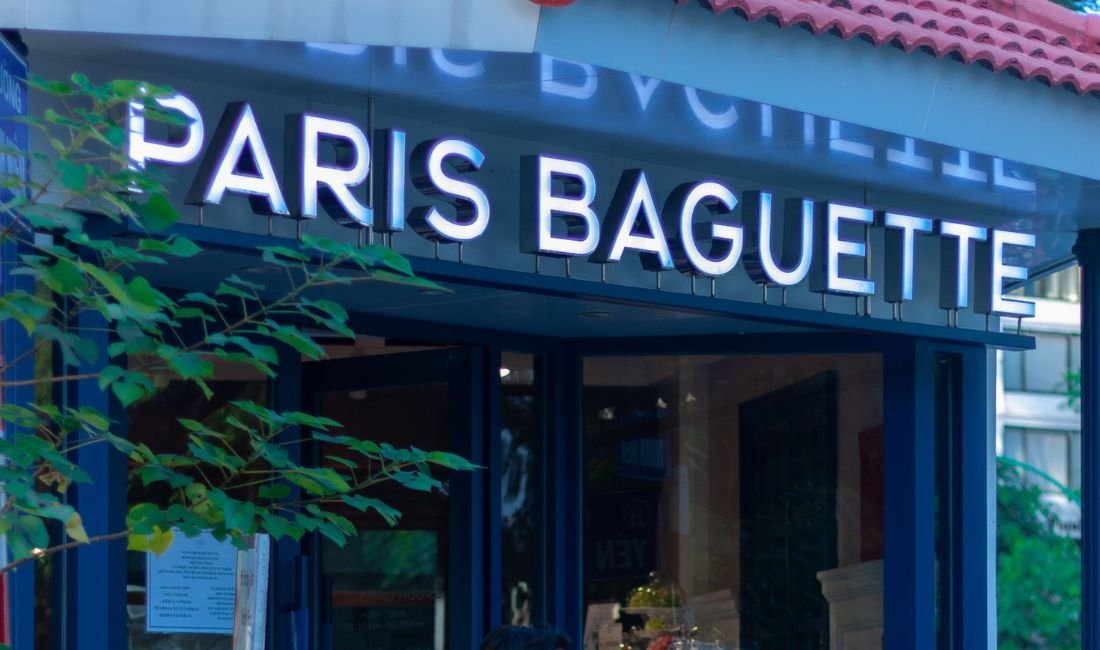
There’s a small, specific moment that happens on almost every street corner in Paris each morning. Someone steps out of a bakery, baguette in hand, and immediately breaks off the end before they’ve even reached the sidewalk. Locals call that piece le quignon, and eating it on the spot is less a habit than an unwritten rule. If you’re visiting Paris and want to understand the bread properly rather than just buy it, this is where to start.
Why the Bread Comes First, Not the Meal
In most cities, bread is a side item. In Paris, it’s closer to a daily appointment. Bakeries sell out of their best batches by mid morning, and locals plan around it the way some people plan around a coffee order. A baguette bought at eleven usually isn’t the same one available at seven, and regulars know exactly which bakery bakes their preferred batch at which hour.
If you’re building a Paris trip around genuinely local routines rather than tourist timing, working an early bakery stop into your first morning is one of the simplest ways to do it. Our Paris itinerary guide is built with that kind of unhurried pacing in mind, since rushing past a bakery at 7am to make a 9am museum slot misses the point entirely.
How to Actually Order One Without Feeling Like a Tourist
Walk in, make eye contact, and say “une baguette, s’il vous plaît.” That’s it. No pointing, no long descriptions. If the bakery offers more than one style, the person behind the counter will usually ask a quick follow up, and the two most common answers are “bien cuite,” meaning well baked and darker, or “pas trop cuite,” meaning lighter and softer. Neither is wrong. It’s a personal preference the same way people have opinions about toast.
Cash still works everywhere, though card payment has become standard at most bakeries in the city center. Expect to pay a small, fixed amount, since bread prices in France stay noticeably stable compared to most food categories, a byproduct of how closely the government tracks bakery pricing as a matter of public interest.
The Corner Bakery Matters More Than the Landmark
Visitors chasing a single, famous bakery online often skip past several excellent, completely unmarketed ones within a five minute walk of their hotel. The better strategy is to find the bakery closest to where you’re staying and go there daily rather than chasing a name across the city. If you haven’t picked accommodation yet, our hotel planning guide can help you choose a neighborhood where this kind of daily routine is easy to fall into on foot.
Neighborhoods like Montmartre, Le Marais, and Saint-Germain-des-Prés carry an especially high concentration of small, independent bakeries, since these areas developed around dense residential blocks rather than commercial strips built for visitors.
Reading a Bakery Without Speaking French
A few visual cues tell you what you’re walking into before you say a word.
- A sign reading “boulangerie” means bread is baked on site. A sign reading only “pâtisserie” usually means pastries take priority and the bread may not be made in house.
- Wooden or wicker baskets displaying the bread upright, rather than stacked flat in plastic, generally signal a bakery that takes its bread seriously.
- A line of locals rather than visitors, especially in the early morning, is one of the more reliable signs you’re in the right place.
Timing Your Visit Around the Weather
Paris weather shifts the rhythm of daily bakery visits more than most travelers expect. Colder months bring shorter bakery hours and quicker sellouts, since fewer people linger outdoors and shops adjust their baking schedules earlier in the day. If your trip lands in the colder stretch of the year, our breakdown of Paris snow and winter weather covers what conditions to actually expect and how they affect a day of walking between bakery stops.
Warmer months bring longer hours and more outdoor seating nearby, which makes it easier to actually sit and eat what you bought instead of carrying it along on the walk.
Bringing Kids Into the Ritual
For families, a bakery stop doubles as one of the easiest ways to give kids something familiar and simple amid a trip full of new experiences. Most bakeries sell small, plain rolls alongside the standard baguette, an easy option for younger travelers who aren’t ready for a full sit down meal. Our guide to things to do with kids in Paris covers more ways to fold small, low pressure stops like this into a busier family itinerary.
The Cultural Weight Behind a Simple Loaf
France takes this seriously enough that the government has formally defined what can legally be called a traditional baguette, right down to the ingredients allowed and the requirement that it be baked where it’s sold. The full legal framework is publicly available through France’s official legislative archive for anyone curious about the exact wording behind the rule.
That level of protection is part of why, in 2022, the tradition surrounding baguette baking earned recognition on an international list of significant cultural practices. It’s a rare case of a daily food item being treated with the same seriousness usually reserved for architecture or language.
Paris also runs an annual competition among its bakeries, and the winner earns the right to supply the French President’s residence with bread for the following year, a detail most visitors never hear about despite it being a genuinely real, ongoing tradition tied to the same streets they’re walking through.
FAQs About Buying and Eating Bread in Paris
What’s the polite way to order a baguette in a Paris bakery?
A simple “une baguette, s’il vous plaît” is all that’s needed. If asked a follow-up about how well done you’d like it, either option is completely normal to choose.
Is it rude to eat the end of the baguette on the street?
No, it’s a widely recognized local habit. Breaking off and eating the end, called le quignon, right after leaving the bakery is common and not considered impolite.
What time of day has the best bread selection?
Early morning, generally before mid morning, since the best batches sell out first and bakeries don’t always restock throughout the day.
How can I tell a good bakery from a mediocre one without speaking French?
Look for a “boulangerie” sign rather than only “pâtisserie,” bread displayed upright in baskets rather than stacked flat, and a line made up mostly of local regulars.
Does the season affect bakery hours or bread availability?
Yes. Colder months tend to bring shorter hours and quicker sellouts, while warmer months bring longer hours and more outdoor seating nearby.
Is bread pricing regulated in France?
Bread pricing is closely tracked as a matter of public interest, which keeps prices notably stable compared to many other food categories.
What actually makes a baguette “traditional” under French law?
A defined legal standard requires only four ingredients, wheat flour, water, salt, and yeast or natural leaven, with no additives, and the bread must be baked on site.
Is there an actual competition for the best baguette in Paris?
Yes, an annual citywide competition awards the best traditional baguette, and the winning bakery supplies bread to the French President’s residence for the following year.
Final Thought
A great Paris trip doesn’t need a famous bakery address written down in advance. It needs an early morning, a short walk from wherever you’re staying, and the willingness to break off a piece of warm bread before you’ve even made it back outside. That small ritual, repeated once a day, ends up teaching you more about how Parisians actually live than most landmarks will.