
Paris can feel like a dream city with children when the days stay short, parks do the heavy lifting, and your plan avoids the museum marathon trap. It can also feel hard when you stack timed tickets, underestimate Métro stairs, or chase too many landmarks before lunch.
This guide focuses on activities kids actually enjoy, plus the logistics that keep parents calm: stroller reality, queues, rainy-day routes, budget moves, and flexible itineraries for 1, 2, 3, or 5 days, including a few classic things to do in Paris that still work brilliantly with children.
Things You Should Know in Paris with Kids

Build a Kid-friendly Pace Before You Book Anything
A good Paris family day uses one anchor activity, one play block, and one flexible bonus stop. That structure keeps everyone fed, rested, and optimistic. When you plan this way, you can still do iconic sights, but the day belongs to your kids’ energy, not your checklist.
Start by choosing an anchor that matches your family’s tolerance for crowds and lines. The Eiffel Tower, the Louvre, and Disneyland Paris each require timing discipline. The simplest rule is one big booking per day, so you can move nap time, snacks, and weather swaps without ruining your schedule.
Then decide where your daily reset will happen. In Paris, that reset is usually a garden, a playground, or a boat ride that lets kids sit still while parents sightsee. When you know your reset spot, you stop rushing across the city for every attraction. Small travel tweaks like pre-picking a reset spot and snack stop can change the whole mood of the day.
What age-based pacing works best for toddlers, preschoolers, and tweens?
Planning a Paris Itinerary with little ones is all about keeping things short, simple, and flexible. Toddlers do best with short walks, early starts, and predictable rest points. A toddler day works when you limit indoor queue time, avoid long stair stations, and plan a playground within 15 minutes of your main stop. Preschoolers handle slightly longer museum visits, especially when the museum becomes a treasure hunt rather than a lecture.
Tweens and teens usually want views, movement, and stories. They tolerate museums better when you let them choose the highlight, like famous paintings, an armor room, a science demo, or an impressionist gallery. Their day works when you add autonomy: a snack stop they pick, a photo mission, or a market browse.
Use this age-to-activity match as a default, then adjust for your own kids.
| Age range | Best daily rhythm | “Big sight” limit | Best Paris-style fun | Common meltdown trigger |
|---|---|---|---|---|
| 0–3 | Park-first + short indoor blocks | 1 | playgrounds, boats, carousels, simple views | long lines, late lunch |
| 4–7 | Anchor + play + sweet stop | 1 | gardens, kid museums, scavenger hunts | too many adult museums |
| 8–12 | Views + hands-on + wow experience | 1–2 (if one is light) | science museum, cruises, towers | boredom in slow galleries |
| 13+ | Choice-driven day + cool neighborhoods | 1–2 | panoramic spots, street art, food tours | being dragged with no input |
How many “big sights” per day is realistic with naps and snacks?
For most families, one major sight is the sweet spot. A second can work if the second is low-effort, such as a garden, a river cruise, or a neighborhood viewpoint. When you stack two timed entries plus a long transit, you create a day where one delay turns into a chain reaction.
If naps matter, plan the nap as a feature, not a failure. A stroller nap can happen during a cruise, during a long garden loop, or on a quiet bus ride. A hotel nap works best when your base neighborhood is walkable and close to parks.
The Best Neighborhoods to Base a Family Trip in
A family-based work works when it reduces transfers and keeps food and parks within a short walk. Central neighborhoods with good walkability help you avoid repeated Métro stair battles, especially with a stroller.
Look for these family-friendly patterns:
- Park-adjacent living near Luxembourg, Tuileries, Champ de Mars, or Parc Monceau.
- Easy transit access for day trips and a simple route to Disneyland on RER A.
- Early dinner options like bakeries and casual brasseries that can feed kids before the late French dinner rhythm kicks in.
Practical family bases often include the 5th and 6th near Luxembourg, the 1st and 2nd for a walkable core, the 7th for Eiffel Tower proximity, and parts of the 8th or 17th for a calmer residential feel.
Paris with Kids: Most Fun and Exciting Things to Do
Choose Iconic Paris Experiences That Kids Enjoy Without Long Waits
Paris icons can be kid-friendly when you treat them as short, high-impact experiences. The goal is a strong wow moment followed by movement and snacks, not an endurance test.
Prioritize viewpoints, boats, and outdoor spaces around major monuments. Kids remember the feeling of being high above the city, cruising under bridges, or running through a garden more than they remember reading wall text.
Use advance tickets when the attraction’s queue can eat up your day. The Eiffel Tower and the Louvre are far easier with timed entry and a clear plan.
You May Like: Travel Tweaks Hotels
Enjoy the Eiffel Tower with Minimal Waiting and Maximum Fun
Pick either the second floor or the summit based on your child’s stamina and your weather tolerance. If conditions are windy or crowds are intense, a second-floor visit can still feel like a major win.
Make the experience smoother with three moves:
- Book a timed slot and arrive early enough for security.
- Pack light so you can move quickly through checks.
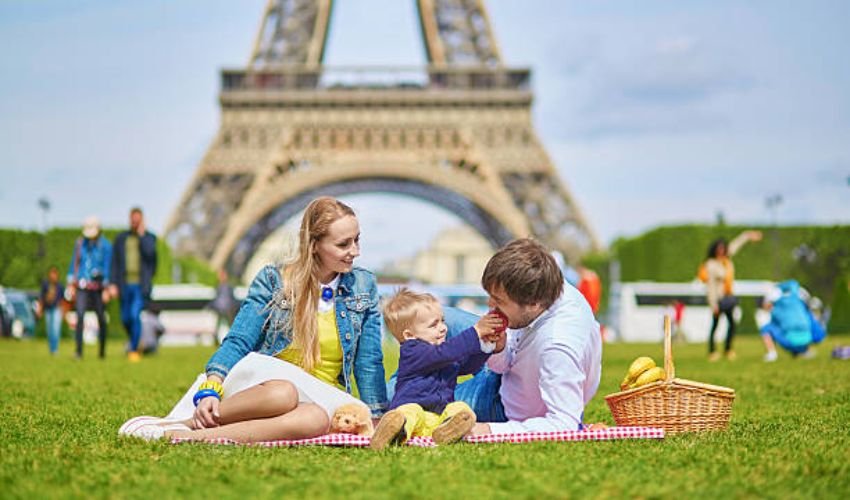
- Pair it with Champ de Mars play time so kids get a run-around reward immediately after the tower.
If you are considering stairs, remember that stairs up and elevator down can work for energetic older kids, but it is rarely fun with a stroller.
Choose a Seine cruise for children and strollers
A Seine cruise is a parent-friendly win because it delivers sightseeing with built-in sitting time. For stroller families, prioritize easy boarding and covered seating options in case of wind or light rain.
Choose the cruise format that matches your day:
- Daytime “see it all” cruise for first-timers and younger kids who want landmarks and movement.
- Early evening cruise for older kids who enjoy city lights, but only if bedtime is flexible.
- Short cruise as a nap strategy right after lunch so the motion helps your child rest.
Cruises also pair well with a simple routine: board, snack, bathroom break, then a playground afterward near the Tuileries or on the Left Bank.
Most Kid-friendly viewpoints and City Panoramas
Viewpoints work when they involve minimal waiting and give kids a clear mission, like spotting the Eiffel Tower, bridges, and tiny cars. Add a photo challenge: find three gold statues, count five bridges, or spot one round dome.
Family-friendly panorama options include a tower view, a hilltop neighborhood view, and bridge-and-river views that feel immediate and interactive.
Use Parks and Playgrounds as Daily Anchors for Energy and Mood
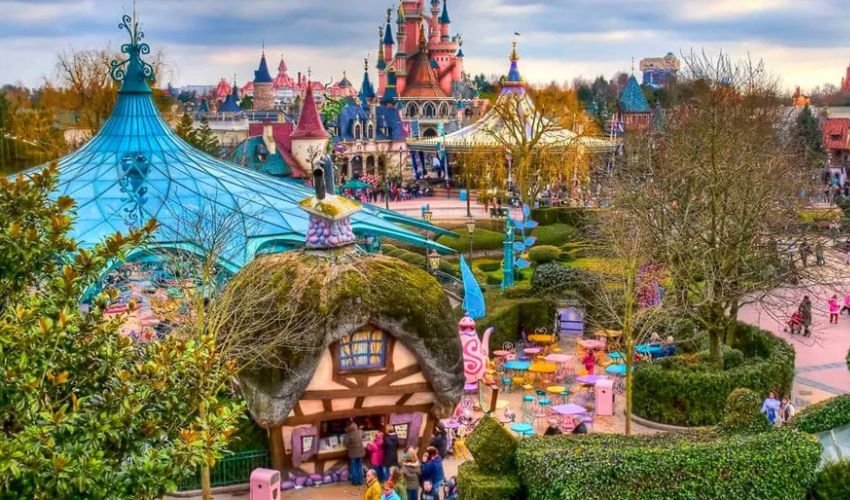
Paris parks are not filler. Parks are the infrastructure that makes family sightseeing possible. A good park block resets mood, solves snack logistics, and gives parents a bench. If you are choosing priorities fast, start with the best Parks closest to your daily anchor sight.
Plan at least one park every day, even in winter. Cold-weather park time still works if you pack gloves, a warm drink, and a short run-fast mission.
Jardin du Luxembourg: Top Pick for Families
Luxembourg is a near-perfect family park because it combines playground energy, open strolling space, and classic Paris atmosphere. The sailboat pond is a memorable activity that feels special for kids and requires almost no planning.
Build a Luxembourg block like this: arrive, playground first, then the sailboats, then a snack from a nearby bakery, then a slow loop for stroller nap potential. This order works because kids cooperate better after they have burned energy.
Luxembourg also sits in an area with many quick food options and easy walking routes. That helps you keep the day calm even when the weather turns.
What can kids do at the Tuileries Garden and the Louvre area outdoors?
Tuileries is a strategic park because it sits next to the Louvre and provides an outdoor escape that can prevent a museum meltdown. Plan your Louvre visit as a short indoor mission, then reward with Tuileries time.
Tuileries is also a strong rainy-day pivot zone because you can move between indoor arcades, museums, and cafés without getting stuck far from shelter. When your day is built around this area, you can shorten or extend museum time based on your kids’ moods.
Pick Museums that Amuse Your Kids
Museums in Paris can be magical with kids when you treat them as a 60 to 90-minute experience. Short visits respect attention spans and protect the rest of your day.
Choose one museum per day at most, and choose museums that fit your child’s learning style. Hands-on science works for active kids. Visual storytelling works for art-friendly kids. A famous highlight works for kids who like bragging rights.
Most interactive museums in Paris for children
Interactive museums reduce friction because kids can touch, test, and move. A top family choice is the Cité des Sciences et de l’Industrie, which is designed around discovery and hands-on learning and often feels more like a play-based experience than a traditional museum.
Other kid-friendly museum patterns include science and invention spaces with demonstrations, natural history style galleries with large specimens, and smaller specialty museums where the building itself is fun to explore.
Switch to Rainy-day and Cold-weather Plans Without Losing the Fun
Bad weather does not have to ruin Paris with kids. It simply changes your day structure. The goal becomes warmth, short walks between sheltered places, and attractions that feel playful.
Use a loop route approach: pick a neighborhood with multiple indoor options, and rotate between them. This minimizes transit in wet conditions and keeps kids comfortable.
Seasonality matters more than many parents expect. If you can choose your travel window, use weather and daylight as your decision tools for the Best Time to Visit Paris with children, especially if your kids struggle with cold evenings or summer heat.
Most Exciting Indoor Attractions for Kids
Choose indoor experiences with clear entertainment value: boats with covered seating, hands-on museums, interactive exhibits, or family-friendly shows. The point is energy, not obligation.
When you select fun-first indoor stops, you also protect your budget because you avoid panic booking expensive last-minute experiences that do not suit your kids.
Use Paris Transportation Safely With Kids and Strollers
Transportation is where Paris can be hard in Paris, especially with a stroller. Many Métro stations include stairs, and elevator access is not universal. A strong strategy is to treat buses and short walks as primary tools, then use Métro selectively.
Buses are often the easiest option with a stroller because they reduce stairs. The Métro can be fast but can involve multiple stair flights and long corridors. The RER is essential for day trips, including Disneyland Paris.
Use a simple transport rule: walk when it is short and comfortable, bus when stairs will be intense, and rail with buffer time when you have a timed booking.
Plan Day Trips That Work for Kids Without Exhausting Everyone
Day trips can be the highlight of a Paris family trip when you choose one that fits your kids’ energy and your tolerance for logistics. The easiest day trips have a direct route, clear kid payoffs, and a predictable return plan.
Use day trips as variety, not as a test. If your city days are packed, your day trip should be simple. If your city days are light, your day trip can be bigger.
Follow Ready-to-use Itineraries for 1, 2, 3, and 5 Days
These templates assume one anchor booking per day and daily park time. They also assume flexibility for the weather and the child’s mood.
If you like planning with a clear template, treat these as your plug-and-play Paris Itinerary blocks, then adjust meal times and park breaks to match your child’s rhythms.
A 1-day plan should prioritize one iconic moment and one big play block.
Option A: Eiffel Tower + Seine + park
- Morning: Eiffel Tower timed entry, then Champ de Mars play.
- Lunch: picnic or a simple café nearby.
- Afternoon: Seine cruise for rest and landmarks.
- Late afternoon: Tuileries garden time and a treat loop.
Option B: Louvre light + Tuileries + sweet mission
- Morning: Louvre 90-minute highlights.
- Midday: Tuileries reset and lunch.
- Afternoon: covered passages, bakery tasting, and a short neighborhood stroll.
Best 3-day Family Itinerary
Day 1: Icon day
Eiffel Tower timed entry, Champ de Mars play, Seine cruise rest block.
Day 2: Museum day
Short Louvre visit with three targets, Tuileries play and snack, relaxed evening stroll.
Day 3: Hands-on day
Science-style museum block, big park reset, treat mission, and early dinner.
| Day theme | Main plan | Rain or cold backup | Best ages |
|---|---|---|---|
| Views + icons | Eiffel Tower + park | indoor loop with cafés | all |
| Art light | short Louvre + Tuileries | passages + sweets | 4+ |
| Hands-on | science museum | same plan still works | 4–12 |
| Day trip | Versailles or Disney | choose indoor-friendly option | all |
| Neighborhood fun | Montmartre + photos + treats | arcades + cinema | 8+ |
Avoid Common Family Mistakes That Create Stress and Meltdowns
Most Paris family stress comes from avoidable patterns: too many timed tickets, late meals, and underestimating stairs. Fixing these patterns makes the city feel welcoming.
Treat every day like a system: food, bathrooms, movement, rest, then sights. When you respect the system, Paris becomes easier.
Avoid too many timed tickets
Timed tickets reduce queues, but stacking them removes flexibility. One delay at security, one slow meal, or one tired child can domino into missed slots and frustration.
A better approach is one timed anchor per day, plus flexible outdoor and neighborhood plans around it.
Safety Issues for Families in Crowded Areas
Crowded areas require a simple protocol: pick a meeting point at each major stop, put a contact card in a child’s pocket, and teach kids to find a uniformed staff member if separated. Keep bags zipped and phones secured in dense tourist zones.
Final Thoughts
Paris with kids becomes easy when you plan for energy, not perfection. Use one anchor booking per day, pair it with a park reset, and build snack and bathroom habits into your routes. Choose kid-friendly icons like the Eiffel Tower and a Seine cruise, keep museums short and goal-based, and treat rainy weather as a reason to use indoor loops with sweets stops. With a calm pace, smart transport choices, and flexible plans, your family gets the Paris you came for.
FAQs: Things to Do in Paris With Kids
A. The best first-time activities are the Eiffel Tower, Seine river cruise, Luxembourg Gardens, Tuileries Garden, and a kid-friendly museum tour.
A. Book major attractions in advance, especially the Eiffel Tower, Louvre tickets or family tours, and any popular museum visits. Advance booking helps you avoid long waits, which can be especially tiring for children.
A. Great free options include exploring parks and gardens like Luxembourg Gardens and the Tuileries, walking around scenic neighborhoods, and enjoying playground time or picnic breaks.
A. The most enjoyable museums for kids are usually the ones with family tours, treasure hunts, or shorter visits, such as the Louvre with a guided family experience and other interactive museum programs.