
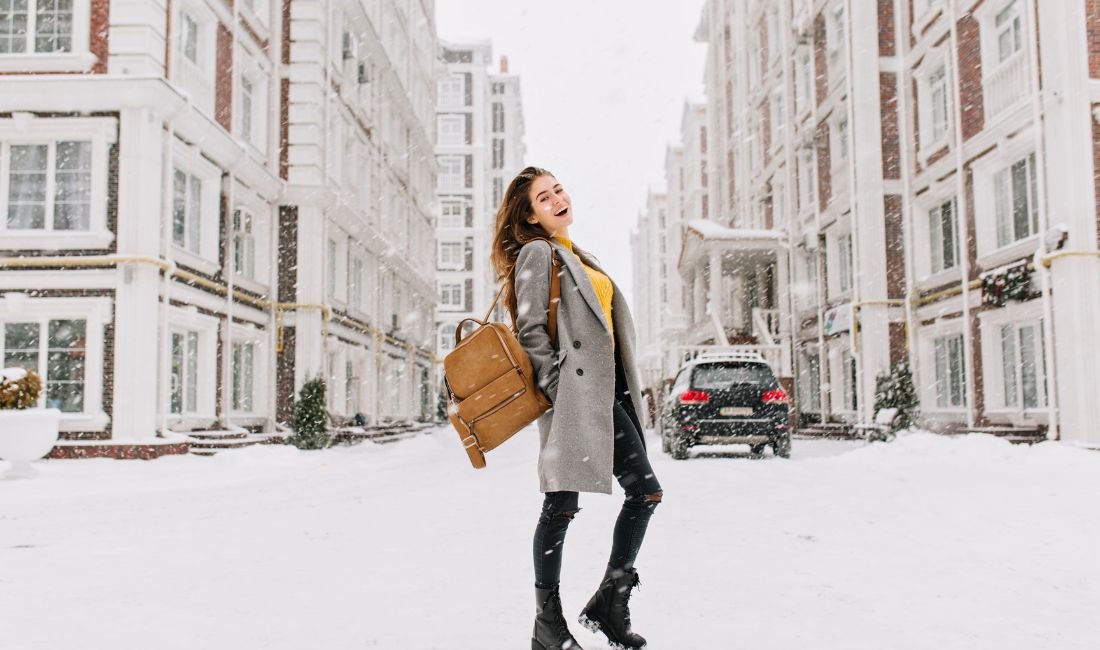
Paris rarely turns into a snow globe, but it does get properly cold, and it’s the kind of cold that catches unprepared travellers off guard. If you’re heading to the City of Light between December and February and want to be ready for anything from bone-chilling drizzle to a surprise dusting of snow, this guide covers exactly what to pack, how to layer, and what locals do differently than tourists who show up shivering in the wrong coat.
We’ve built this around real winter conditions in Paris, not generic “pack a coat” advice. You’ll find gear recommendations by activity, a packing checklist you can actually use, and answers to the questions travellers ask most before a winter trip. If you’re specifically wondering whether snow is likely at all during your visit, our complete breakdown of snowfall patterns in Paris covers the frequency and timing in more depth.
What Winter in Paris Actually Feels Like
Paris has an oceanic climate, which sounds pleasant until you’re standing on a windy platform at Châtelet at 8am in January. Average winter highs sit around 45–46°F (7°C), with lows hovering just above freezing, roughly 34–37°F (1–3°C). The number on the forecast rarely looks dramatic. What makes Paris winters uncomfortable is the combination of damp air, wind funnelling down the wide Haussmannian boulevards, and short daylight hours — the sun sets before 5:30pm for much of December and January.
Snow itself is the exception, not the rule. When it does fall, it’s usually light and melts within a day, though the city has seen heavier, disruptive snowfalls in past winters, including a notable one in February 2018. For current conditions before or during your trip, check official forecasts and any weather alerts through Météo-France, the national weather service – it’s more reliable than any packing list written months in advance.
The practical takeaway: pack for damp cold and wind chill first, and treat snow as a bonus scenario rather than the main event.
The Core Packing List for Paris in Winter
Outerwear
- A proper winter coat, knee-length or close to it, made of wool or a wool blend with a warm lining. Parisians lean toward tailored coats over puffer jackets, and a mid-length coat also blocks wind at your legs, which matters more than most travellers expect.
- A waterproof or water-resistant outer layer if your coat isn’t already treated. Rain and sleet are far more common than snow, and a soaked wool coat takes forever to dry in a hotel room.
- A packable rain shell as a backup for warmer, wetter days when a full coat feels like overkill.
Layers
- A base layer (merino wool or a synthetic thermal) for the coldest days, especially if you’re outdoors for museum queues or walking tours.
- A mid-weight sweater or fleece you can add or remove as you move between heated interiors and cold streets. Paris apartments and small shops run warm, so quick-shedding layers matter.
- Jeans or wool trousers, ideally lined or paired with thermal leggings underneath on the coldest days.
Footwear
- Waterproof boots with real tread. This is the single most important item on this list. Paris sidewalks and cobblestones get slick with rain, sleet, and any lingering ice, and standard sneakers soak through fast. Ankle boots work well for both style and function.
- A second pair of shoes so one pair can dry out overnight — damp feet ruin more Paris days than cold ones.
- Warm, moisture-wicking socks, not cotton, which stays wet and cold once damp.
Accessories
- A warm hat that covers your ears — wind chill off the Seine is real.
- Gloves, ideally touchscreen-compatible so you’re not stripping them off constantly for your phone or Navigo pass.
- A scarf, both for warmth and because it’s the easiest way to look like you belong rather than like a tourist bundled for a blizzard.
- A crossbody or zip-close bag that’s easy to manage with gloves on and secure on crowded metro cars.
Layering Strategy: Why It Matters More Than Any Single Item
The mistake most travellers make is buying one very warm coat and calling it done. Paris weather swings within a single day — a crisp, sunny 40°F (4°C) morning can turn into a raw, windy 36°F (2°C) evening with sleet. The better approach is three light-to-medium layers you can adjust, rather than one heavy layer you’re stuck with.
A simple system that works:
- Moisture-wicking base layer against your skin
- Insulating mid-layer (sweater or fleece)
- Wind- and water-resistant outer layer
This also solves the museum problem: the Louvre, Musée d’Orsay, and most Paris institutions keep interiors warm, and you don’t want to be sweating through a parka while queuing for the Mona Lisa. Peel layers off as you go indoors, and you’ll actually enjoy the sightseeing instead of managing your temperature all day.
What to Do If It Actually Snows
Genuine snow accumulation in Paris is rare enough that most residents don’t own snow boots or shovels, which means the city itself isn’t built to handle it smoothly. If snow does hit during your stay:
- Expect transit slowdowns, particularly on buses and any surface-level trams. The metro and RER run mostly underground and are far more resilient, so lean on them over buses or taxis during a snow event. Check live status through RATP, the official transit operator for Paris and Île-de-France, before heading out.
- Watch your footing on bridges and near the Seine, where wind and ice combine. Slow down rather than rushing between sights.
- Some outdoor attractions may adjust hours or close temporarily during heavier snow, particularly elevated viewpoints. Always check an attraction’s own site the morning of your visit rather than assuming normal hours.
- Head to parks for the best snow scenery. Snow photographs beautifully at spots like the Tuileries, Champ de Mars near the Eiffel Tower, and Parc des Buttes-Chaumont, though the city sometimes closes park gates without much notice when paths ice over, so have a backup plan.
If snow is a big part of why you’re visiting, it’s worth pairing your trip with some flexibility. Building slack into your Paris itinerary means a surprise snow morning becomes a bonus outing rather than a scheduling headache.
Packing for Kids and Families in Winter
Kids lose body heat faster than adults and are less likely to tell you they’re cold until they’re miserable. If you’re traveling with children:
- Pack an extra full layer beyond what you’d bring for yourself, mittens (easier than gloves for small hands), a warmer hat, and a backup pair of socks in your day bag.
- Waterproof boots matter even more for kids, since puddle-jumping is unavoidable.
- Build in indoor backup plans for very cold or wet days. Our guide to things to do with kids in Paris has a solid list of indoor museums, aquariums, and covered activities that work well when the weather turns.
Sample Winter Packing List
| Category | Items |
|---|---|
| Outerwear | Wool coat, waterproof shell, packable rain jacket |
| Tops | 2 to 3 base layers, 2 sweaters or fleece tops, 3 to 4 regular shirts |
| Bottoms | 2 to 3 pairs jeans or trousers, thermal leggings |
| Footwear | Waterproof boots, backup shoes, wool socks (at least 5 pairs) |
| Accessories | Hat, gloves, scarf, crossbody bag |
| Extras | Travel umbrella, lip balm, hand cream (heated indoor air dries skin fast), portable phone charger for shorter daylight hours |
Where to Stay for Easier Winter Logistics:
Winter is the best time to stay near a metro station. The 1st, 4th, 6th, and 9th arrondissements minimise walking in the cold. Our hotel planning guide can help you choose the right area before you book
FAQs About Packing for Paris Snow and Winter Weather
Do I need snow boots for Paris in winter?
Not usually. Waterproof, well-treaded boots handle rain, sleet, and the occasional light snow just fine. Dedicated snow boots are overkill unless you’re also planning a side trip to the Alps or another mountain region.
How cold does it get in Paris in December and January?
Average highs run around 44–46°F (7°C) with lows near 34–37°F (1–3°C). It occasionally drops below freezing overnight, especially in January, but sustained deep freezes are uncommon.
Is a puffer jacket warm enough for Paris winters?
Yes, functionally, though a tailored wool coat blends in better and often performs just as well against wind when paired with a good base layer. Bring whichever you already own rather than buying new gear specifically for style points.
Should I pack an umbrella or just rely on a coat with a hood?
Both help, but a compact umbrella is genuinely useful in Paris, where winter rain is far more frequent than snow. A hood alone won’t keep you dry in sustained rain.
What shoes should I avoid packing for a winter Paris trip?
Skip canvas sneakers, suede without waterproofing, and anything without real tread. Cobblestones and wet pavement are unforgiving, and soaked shoes are hard to dry quickly in most hotel rooms.
Will museums and major attractions close if it snows?
Rarely, and only during unusually heavy snow events. Indoor attractions like the Louvre and Musée d’Orsay almost always stay open; outdoor or elevated sites are more likely to adjust hours.
Is it worth packing thermal underwear for a Paris trip?
If you’re visiting in January or February and plan to be outside for extended periods – markets, walking tours, cemetery visits and yes. It’s a small, light addition that makes a real difference on the coldest days.
What should I pack differently if travelling with kids in winter?
Extra dry socks, mittens over gloves, a warmer hat, and a flexible itinerary with indoor backup options for the coldest or wettest days.
Do locals dress very differently from what tourists usually pack?
The main difference is tailoring and layering discipline. Parisians favour structured coats, scarves, and boots over bulky ski-style jackets, and they layer methodically rather than relying on one heavy piece.
Is late December through February the coldest stretch to plan around?
Generally yes, with January typically the coldest month on average, though cold snaps can occur anytime from late November through early March.
Final Thought
Packing for Paris snow really means packing for Paris cold — damp, windy, and changeable, with snow as an occasional bonus rather than a guarantee. Get the layering system right, prioritise waterproof boots over anything flashy, and check official forecasts close to your trip rather than relying on averages. Do that, and whether the city gives you brilliant blue winter skies or a rare dusting of snow over the rooftops, you’ll be dressed for either one.