

New York City contains five boroughs, 300+ neighborhoods, and major cultural institutions that attract more than 60 million annual visitors in peak years. When searching for things to do in NYC, travelers usually prioritize landmarks, skyline views, museums, food districts, and structured itineraries. Similar to how travelers research things to do in paris before visiting France, NYC visitors often plan around iconic attractions and cultural districts in advance. The city layout includes Manhattan, Brooklyn, Queens, The Bronx, and Staten Island, each defined by distinct architecture, transit lines, and cultural communities.
This guide focuses on high-value attractions, borough-level exploration, cost management, and practical trip structuring. Each section delivers direct recommendations supported by specific locations and relevant travel details, similar to how a well-organized Paris Itinerary structures landmarks by arrondissement and walking routes.
Highlights:
- Boat transportation to visit the Statue of Liberty and Ellis Island
- Walk across the Brooklyn Bridge at sunset
- Explore Central Park landmarks like Bethesda Terrace
- Visit observation decks such as the Empire State Building
- Watch a production in the Broadway district
What Are the Must-See Attractions in NYC for First-Time Visitors?
First-time visitors should prioritize high-recognition landmarks located in Lower Manhattan and Midtown. The Statue of Liberty sits on Liberty Island and requires a ferry departure from Battery Park. The visit typically includes access to Ellis Island’s immigration museum. Timed-entry tickets reduce waiting time during peak seasons.
Midtown contains Times Square, Rockefeller Center, and major observation decks. The Empire State Building offers 86th- and 102nd-floor viewing platforms with 360-degree skyline visibility. Top of the Rock provides unobstructed views of Central Park and the Empire State Building.
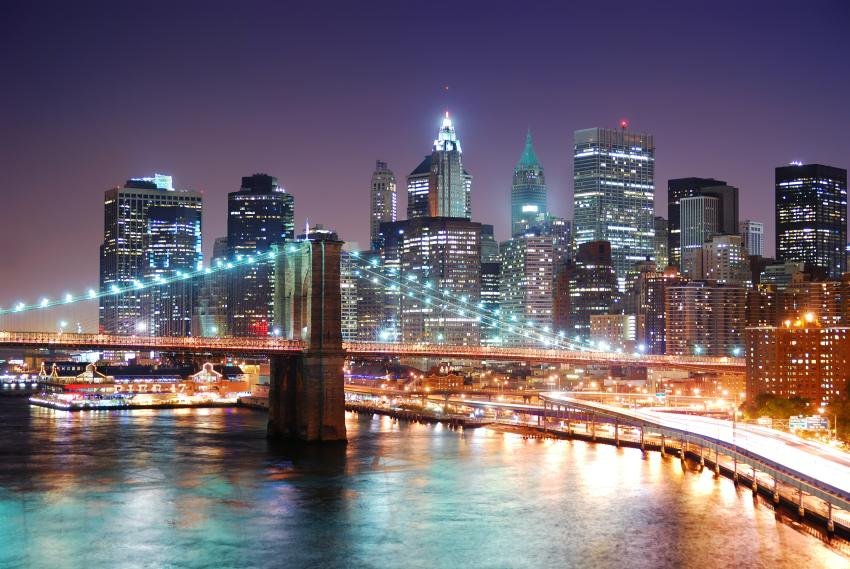
Walking across the Brooklyn Bridge connects Lower Manhattan to DUMBO in Brooklyn. The pedestrian path provides views of the East River, Manhattan skyline, and the Statue of Liberty. Early morning or late afternoon reduces congestion.
Plan Your Statue of Liberty Visit in Advance
- Book early and organize your timing before arrival.
- Reserve timed-entry ferry tickets departing from Battery Park to secure preferred morning slots.
- Select pedestal or crown access in advance since crown tickets have limited daily availability.
- Arrive at least 30 minutes early to complete security screening efficiently.
- Combine Liberty Island with Ellis Island to access immigration archives and passenger record exhibits.
Early planning reduces queue duration and ensures structured access to both Liberty Island and Ellis Island without schedule overlap. Applying small planning strategies, similar to practical travel tweaks, helps avoid peak congestion and improves time allocation.
Choose the Right Observation Deck for Skyline Views
- Select your deck based on height, viewing angle, and photography preference.
- Visit the Empire State Building for open-air access on the 86th floor and historic Art Deco design.
- Choose Top of the Rock for unobstructed Midtown framing that includes the Empire State Building.
- Book sunset time slots for transitional daylight and illuminated skyline contrast.
- Review weather forecasts to prevent reduced visibility from fog or precipitation.
Deck selection should align with skyline composition goals, timing availability, and seasonal visibility conditions. Accommodation research platforms such as Travel Tweaks Hotels can help travelers stay within walking distance of Midtown landmarks to reduce daily commute time.
What Makes Central Park a Strategic Stop on Any NYC Itinerary?
Central Park spans 843 acres between 59th and 110th Streets. Designed by Frederick Law Olmsted and Calvert Vaux, the park integrates walking paths, lakes, athletic fields, and performance areas within Manhattan’s grid.
Major locations include Bethesda Terrace, Bow Bridge, Strawberry Fields near the Dakota Building, and the Central Park Zoo. Seasonal changes affect landscape visuals. Spring introduces cherry blossoms, fall produces foliage shifts, and winter alters terrain with snow coverage. Families comparing destinations often research things to do in paris with kids, and Central Park similarly provides open recreational zones and zoo access suitable for children.
Central Park reduces itinerary density by creating spatial separation between Midtown and Upper Manhattan attractions. Entry remains free, and multiple subway lines run parallel to the park’s perimeter.
You Can Also Read: Best Parks in Paris to Visit for Picnics, Strolls and Relaxation
What Are the Best Things to Do in NYC by Borough?
Manhattan contains financial districts, Museum Mile, and institutions such as The Metropolitan Museum of Art. Harlem, SoHo, and the Financial District represent distinct architectural and cultural zones.
Brooklyn includes DUMBO, Williamsburg, Brooklyn Heights Promenade, and Prospect Park. The borough integrates residential brownstones with waterfront redevelopment.
Queens contains Astoria Park and Flushing Meadows–Corona Park. The Bronx includes Yankee Stadium and Arthur Avenue. Staten Island features ferry-based harbor access and coastal greenways. Seasonal booking platforms sometimes provide bundled attraction discounts similar to Travel Tweaks Offers, which can reduce entry costs across multiple borough attractions.
Explore Brooklyn Neighborhoods on Foot
DUMBO features cobblestone streets and Manhattan Bridge framing views. Waterfront parks provide direct sightlines toward Lower Manhattan.
Williamsburg includes murals, performance venues, and independent retail corridors. Prospect Park spans 526 acres and supports recreation and public events. Use subway lines A, C, F, L, or 2/3 for efficient borough transfers from Manhattan.
Discover Cultural Corridors in Queens
Queens contains over 160 spoken languages and dense multicultural business districts. Astoria includes Mediterranean and Middle Eastern restaurants along 30th Avenue.
Flushing Meadows–Corona Park houses the Unisphere and Citi Field. The area supports seasonal festivals and open green space. Subway lines 7, N, and R connect Queens to Midtown within 20 to 30 minutes depending on departure point.
What Free Things Can You Do in NYC Without Purchasing Tickets?
The Staten Island Ferry operates continuously and provides direct harbor exposure, including views of the Statue of Liberty and Lower Manhattan skyline.
The Brooklyn Bridge pedestrian path remains open daily and requires no reservation. Bryant Park and Prospect Park host scheduled seasonal events.
Street art corridors in Bushwick function as open-air exhibitions. Review museum policies online to confirm current free-admission windows or residency-based entry terms.
What Are the Most Valuable Nighttime Activities in NYC?
The Broadway theater district presents long-running productions and limited-run premieres. Seating categories determine pricing tiers. Digital lotteries and same-day ticket counters provide reduced-cost access.
Observation decks after dark highlight illuminated skyscrapers and bridge lighting systems. Hudson River cruises pass by One World Trade Center and Midtown towers.
Greenwich Village hosts jazz venues with nightly programming schedules. Subway service operates 24 hours, though late-night headways increase.
How Can You Structure a 3-Day NYC Plan Efficiently?
Organize each day by geographic clusters to reduce subway transfers and walking overlap.
- Midtown landmarks: Visit Rockefeller Center, Times Square, and book an observation deck such as the Empire State Building or Top of the Rock on day one.
- Lower Manhattan icons: Take the Statue of Liberty ferry in the morning and explore the Financial District afterward.
- Brooklyn waterfront: Walk across the Brooklyn Bridge and spend time in DUMBO and Brooklyn Heights Promenade.
- Central Park and museums: Dedicate time to Central Park and Museum Mile, including the The Metropolitan Museum of Art.
- Neighborhood immersion: Explore Greenwich Village, SoHo, or Williamsburg using subway routes to limit backtracking.
This five-part structure improves route efficiency, balances landmark density with neighborhood exploration, and maintains realistic pacing across three days.
You Can Also Read: Best Offers From TTweakhotel in 2026: A Complete Hotel Deals Guide
Final Thoughts
New York City requires structured planning, geographic grouping, and timed-entry coordination to maximize efficiency. Landmark sequencing, borough diversification, and subway-based routing improve coverage without unnecessary transit delays. Observation decks, ferry reservations, and museum scheduling benefit from early booking windows.
Balancing iconic attractions with neighborhood immersion delivers stronger itinerary depth. Midtown anchors skyline visibility, Lower Manhattan provides historical concentration, Brooklyn adds waterfront perspective, and Queens expands culinary diversity. Aligning accommodation location, ticket timing, and transit strategy ensures consistent pacing across short or extended stays.
Frequently Asked Questions
What are the top attractions included in most NYC itineraries?
The Statue of Liberty, Central Park, Brooklyn Bridge, Times Square, Empire State Building, Top of the Rock, The Metropolitan Museum of Art, and Broadway productions remain primary selections.
Is three days sufficient for NYC?
Three days allow coverage of Midtown, Lower Manhattan, and one additional borough zone. Extended stays enable deeper neighborhood immersion.
What transportation method works best in NYC?
The subway system provides the fastest and most cost-efficient travel across boroughs. Contactless payment supports seamless entry.
Which borough should first-time visitors prioritize?
Manhattan contains the highest concentration of global landmarks. Brooklyn provides complementary skyline views and residential-scale districts.
Are observation decks worth the cost?
Observation decks provide elevated skyline access unavailable at street level. Value depends on weather conditions, timing, and photographic interest.