

Travel Tweaks is an independent travel research and planning publication created by Rhea Marston. It helps travelers answer the questions that often appear while planning a real trip, from choosing the right place to stay to understanding how a route will actually work.
The phrase travel tweaks also describes the small decisions that can make a journey easier. Choosing the right neighborhood may save hours of transport. Checking the real distance between two places can prevent an awkward transfer. Looking at seasonal weather before packing can make a trip much more comfortable.
That idea sits at the center of The Travel Tweaks. Instead of stopping at broad destination advice, the site looks deeper into the details travelers often need before they can make a confident decision.
Travel Tweaks helps readers make better travel decisions by looking at the details that shape a real trip. That can mean choosing a hotel room that fits the traveler, understanding a route before departure, checking seasonal conditions or working out the true cost of a stay.

What Does “Travel Tweaks” Mean?
A travel tweak is a small change that improves the way a trip works.
It does not need to completely change the itinerary.
A traveler might choose a hotel one street away from a nightlife district because sleep matters more than being in the busiest location. Someone planning a city break may stay in one neighborhood for the morning instead of crossing the city between every attraction.
Another traveler may compare the total cost of two flights rather than choosing the lowest fare on the screen. Once luggage and airport transfers are included, the cheaper ticket may no longer be the better option.
Choose the room category after checking its size and position, not only the hotel’s star rating.
Compare the full journey rather than relying on straight-line distance.
Pack for the weather you are likely to face instead of the season name.
Look at the final cost after taxes and transport instead of the first advertised price.
Each change seems small on its own. Together, those choices can determine whether a trip feels smooth or unnecessarily tiring.
What Is The Travel Tweaks?
The Travel Tweaks is a travel information website built around research that helps people make better travel decisions.
Some readers arrive while deciding where to stay. Others want to know how long a journey will take or whether two places can reasonably fit into the same day.
The site also covers questions that appear after a destination has already been chosen. A traveler may want to understand the best area for a hotel. Someone researching Paris may move from what to eat in Paris to what to buy in Paris as the trip takes shape.
These questions are different, but they share one thing. The reader needs enough context to make a decision, not just a short answer pulled away from the rest of the trip.
Who Is Behind The Travel Tweaks?
Rhea Marston is the creator and author behind The Travel Tweaks.
Her approach starts with a problem that appears repeatedly in travel research: advice can sound useful until someone tries to act on it.
A hotel might be described as central without explaining what it is close to. A neighborhood may be called one of the best areas in the city without mentioning that some streets become noisy late at night. A route can look short on a map while becoming inconvenient once transfers and luggage are involved.
The Travel Tweaks looks for those missing details.
The Question I Keep Coming Back To
When I research a topic, I do not stop at asking what information already exists. I want to know what the traveler will still need after reading it.
That can lead me to check the exact hotel room instead of only the property name. It can mean comparing neighborhoods rather than repeating a list of popular places. Sometimes it means checking a current tax or transport condition because one small detail changes the recommendation.

What Can You Find on The Travel Tweaks?
The site follows the way travel planning actually develops. One question often leads naturally to the next.
Understand how a place works before deciding what belongs in the trip.
Look beyond the property name to the room and location that shape the stay.
Turn mileage into a journey that accounts for transport and transfer time.
Use the destination and travel conditions to decide what needs attention before departure.
Destination Research
A destination guide should do more than name famous attractions. The reader needs to understand how the destination works.
Weather can influence how much someone walks. Location can determine how often public transport is needed. Opening hours can completely change the order of an itinerary. For a seasonal example, the guide to the best time to visit Paris shows how weather and crowd levels can change the same city trip.
A good example is the site’s Paris itinerary. It groups nearby areas instead of sending the traveler back and forth across the city. The guide to the best things to do in Paris then helps readers decide which stops deserve time inside that route.
Hotel and Accommodation Research
Hotel photographs can tell you what a room looks like. They do not always tell you whether that room suits your trip.
The Travel Tweaks looks deeper into hotel choices by checking the exact location and the room setup. Air conditioning can matter during summer. Room direction can change the noise level. Accessibility needs another level of attention because a lift in the building does not always mean every room is reached without steps. The comparison of the best hotels in Marais Paris shows how those details can change the recommendation inside one neighborhood.
The Travel Tweaks Hotels section goes deeper into those choices and shows how room details can change the comfort and overall value of a stay.
Routes and Travel Distances
Knowing that two places are 20 miles apart does not tell you how easy the journey will be.
A route may involve a direct train. Another journey covering a similar distance could require several transfers. Airport location can change the calculation again.
The route from Virginia to Florida shows why one distance can produce very different travel times depending on where the journey begins and ends. The how far is Virginia to Florida compares those route differences instead of reducing the answer to one number.
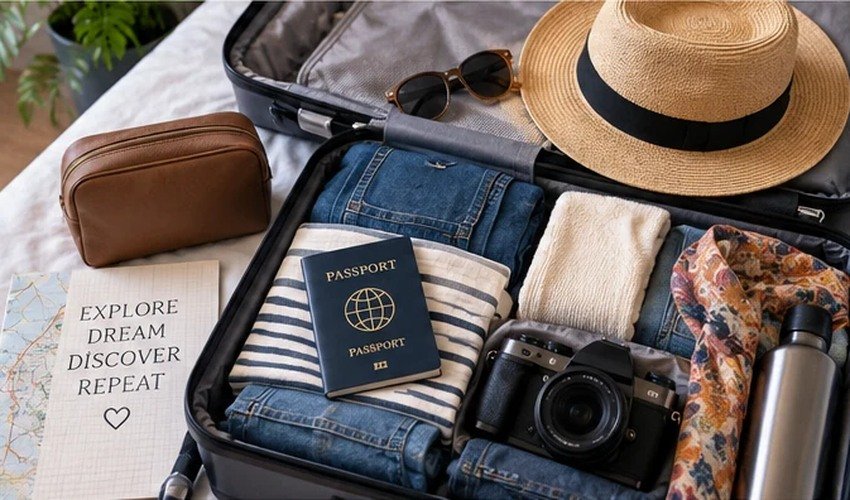
Packing and Trip Preparation
Packing advice becomes useful when it reflects the trip itself.
A general Europe packing list cannot treat every country and season as though the conditions are identical. Someone traveling during a warm Mediterranean summer will prepare differently from a traveler visiting northern Europe in winter.
The better approach is to pack around the conditions you are likely to face rather than around a generic checklist. For international travel documents and entry requirements, the IATA Travel Centre is a useful place to verify current requirements before departure.
Budget and Travel Costs
The price shown first is not always the amount a traveler eventually pays.
A hotel rate may be followed by tourist tax. A low-cost flight can become more expensive once luggage is added. An airport farther from the city may create another transport expense. Building savings before the trip can make those extra costs easier to absorb, and Bank of America’s guide to saving money gives readers a straightforward framework for doing that.
Location can work in the opposite direction. A hotel that costs slightly more may save money when it reduces the need for daily transport. NPR’s guide on how to travel on a budget is another useful source when the goal is to control the overall trip cost rather than chase the lowest headline price.
The Travel Tweaks Offers section looks at whether a deal still makes sense after the dates and conditions are considered.
How Travel Tweaks Helps With Real Travel Decisions
Hotel Decisions
A traveler may begin by searching for the best hotel in a neighborhood. That question quickly becomes more specific.
Is the room large enough? Does it face a busy street? Can a family sleep there comfortably? Does the lift reach the floor?
These details matter because two guests can stay in the same hotel and have very different experiences.
Travel Offers
A travel offer can look attractive without necessarily making the trip cheaper.
Travel dates matter because the lowest promotional rate may apply only during a limited period. Cancellation conditions matter as well. Saving a small amount can become expensive when the booking cannot be changed.
The useful question is not simply whether an offer exists. It is whether the offer improves the trip you are already planning.
Booking Decisions
Booking decisions usually involve more than choosing between two prices.
A hotel may have several room categories with meaningful differences between them. The cheapest room may be smaller or face a busier street. Paying slightly more might provide a quieter position.
Flight bookings involve similar trade-offs. Departure time can affect airport transport. A long connection can turn a cheaper ticket into a tiring journey.
What Are Map Guides and TTweakMaps?
Travel planning often becomes easier once places are viewed in relation to each other.
A map may show that two attractions are close, but travelers still need to know whether the route makes sense.
Can you comfortably walk between them? Would public transport be faster? Does the route become awkward with luggage? Where should you stay if both places are priorities?
TTweakMaps-style content looks at those questions. Tools such as Google Maps can establish the route, while the guide explains what that route means for the traveler.
The Paris itinerary shows this approach by grouping neighborhoods into days instead of treating every attraction as an isolated stop.
How The Travel Tweaks Researches Travel Information
Travel research changes depending on the subject. There is no single source that answers every type of travel question well.
Destination Guides
Destination research may begin with tourism authorities and attraction websites. Maps help establish where places are located in relation to each other. Transport information can show whether the route between them is realistic.
Hotel Guides
Hotel research begins with the property itself.
Room categories can reveal major differences that broad descriptions miss. Accessibility information needs close attention because one suitable room does not mean the whole building works the same way.
Family capacity also needs more than a simple label. The number of actual beds can matter more than the phrase “family friendly.”
Transport Content
Transport research needs current schedules and realistic transfer information.
The closest airport on a map is not always the easiest airport to use. A train journey can also change completely depending on whether a direct service exists.
The how far is London from Paris is a useful example because the distance question changes once train and flight options are compared.
Historical Travel Topics
Travel history deserves reliable sourcing because interesting stories are often repeated long after the evidence behind them has disappeared.
Museums and city institutions can be especially useful when researching the history of landmarks or neighborhoods. The article on why Paris is called the City of Love uses that approach by placing the history where it helps explain the modern travel identity of the city. History should add context to a travel guide rather than interrupt it.
Information That Changes
Some travel information has a short life.
Hotel prices change. Tourist taxes can change. Attractions close for renovation. Airlines update baggage rules. Seasonal transport schedules are replaced.
Those details need to be checked close to publication and reviewed again when the article is updated.
Why Firsthand Experience Still Matters
Research can answer many questions, but travelers experience places differently from search engines and spreadsheets.
A neighborhood can feel peaceful in the morning and completely different after dinner. A route that appears easy may feel long after several hours of walking. A famous attraction may deserve a visit but still not justify planning the entire day around it.
Firsthand experience helps explain those differences.
Rhea uses personal observations when they can add something that normal research cannot. Her Paris content is a clear example. The Paris itinerary explains why she groups the city by neighborhood after more than a dozen visits rather than trying to cross Paris repeatedly during the day.
The goal is not to turn personal preference into a universal rule. Firsthand experience works best when it helps the reader understand how a choice feels once it leaves the planning stage and becomes part of the trip.
How to Use The Travel Tweaks When Planning a Trip
The easiest place to begin is with the decision you are trying to make now.
Start with the season and the kind of experience you want. Then look at how the destination changes during your dates.
Pick the neighborhood before the hotel. Then compare the room categories inside the properties that fit that location.
Check how each part of the journey connects before deciding what fits into the same day.
Review the weather and transport again because those details may have changed since you first planned the trip. U.S. travelers can also check current destination notices through the U.S. State Department travel advisories before departure.
For destination inspiration, the site’s things to do on your birthday shows how the right city can depend on the kind of energy a traveler wants from the trip.
If you want to ask a question or compare experiences with other travelers, the Travel Tweaks Forum gives readers a place to continue the conversation.
FAQs About Travel Tweaks
About the Site
What is Travel Tweaks?
Travel Tweaks describes the small changes that can make a journey easier or better planned. The Travel Tweaks is also a travel research website created by Rhea Marston.
Who is behind The Travel Tweaks?
Rhea Marston created The Travel Tweaks and writes its travel content.
What kind of information does Travel Tweaks cover?
The site covers destination research and hotel decisions. It also answers questions about routes and trip preparation. Other guides look at travel costs or help readers understand a specific travel choice.
About the Research
How does Travel Tweaks research hotels?
Hotel research can include the property’s location and room categories. It may also look at bed layouts and accessibility. Features such as air conditioning or pool access are checked when they affect the recommendation.
Why does Travel Tweaks include travel history?
Historical context can explain why a destination or landmark matters. It is most useful when the history supports the travel topic rather than becoming a separate lesson.
How often should travel information be updated?
Information that changes with time needs regular review. Prices and taxes are obvious examples. Opening hours and transport schedules can also become outdated quickly.
Final Thoughts
Travel Tweaks is built around the idea that better trips often come from better small decisions.
The right neighborhood can matter more than the most famous hotel. A realistic transfer time may matter more than the cheapest flight. The right room can matter more than the star rating beside a hotel’s name.
The Travel Tweaks researches those details because they are often the difference between advice that sounds useful and information a traveler can actually use.
A trip rarely becomes better because of one dramatic change. More often, it improves one thoughtful tweak at a time.