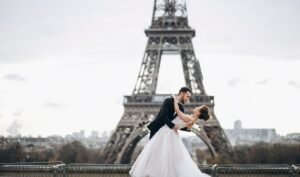
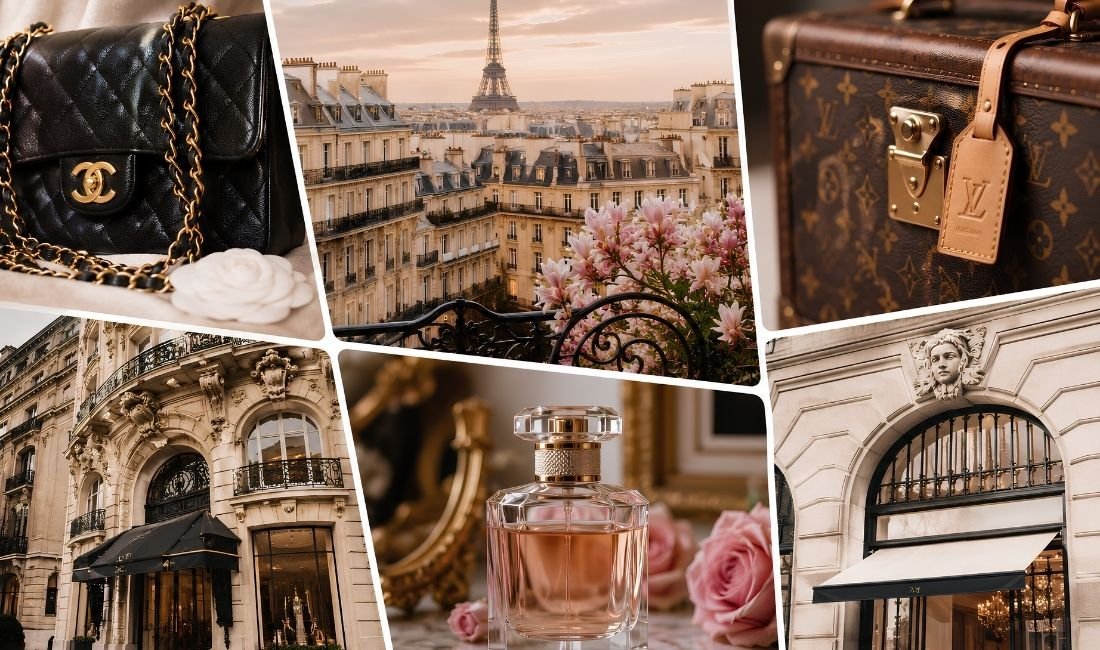
Paris has produced more famous luxury brands than any other city on earth. Chanel, Dior, Louis Vuitton, Hermès, Cartier, Yves Saint Laurent, Guerlain and Van Cleef & Arpels all trace their roots back to the same few streets around the Right Bank.
If you are wondering which brands were founded in Paris, the short answer is that most of the names you already associate with French luxury started here, often in a single small workshop that grew into a global house. This guide walks through 25 of the most iconic brands from Paris, when and why they were founded, and where you can actually find their boutiques today.
I have walked past most of these windows more times than I can count, usually on my way to somewhere else, always slowing down anyway. There is something different about seeing a name you know from a Fifth Avenue department store sitting quietly on a narrow Paris street, in the exact building where it all began. That is the version of this list I wanted to write.
Why So Many Luxury Brands From Paris Exist in the First Place
Paris became a hub for luxury fashion brands for a fairly simple reason. It had the royal court, then the wealthy bourgeoisie, then the World’s Fairs, and each one demanded better tailoring, finer leather, and more inventive jewelry.
Craftsmen set up shop near the people who could pay for their work, which is why so many Paris luxury houses cluster around a handful of addresses: Place Vendôme, Rue Saint-Honoré, and Avenue Montaigne.
That history is also why these are not just designer brands from Paris in the modern sense. Several of them are older than the Eiffel Tower. A few are older than the French railway system. Walking into one of these boutiques is walking into a business that has outlived empires.
Paris Fashion Houses That Changed Fashion Forever
These are the Parisian fashion houses that most people picture first when they hear the words French luxury. Every one of them was founded in Paris and still keeps a flagship there today.
Paris also makes it easy for you to see several of these in one afternoon, since most of them cluster into the same few neighborhoods. If you want the wider picture beyond just the big names, my full guide on what to buy in Paris covers the smaller shops and markets worth squeezing in alongside them.
1. Chanel (1910)
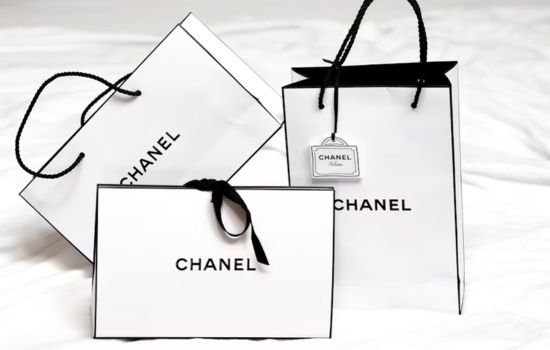
Gabrielle “Coco” Chanel opened her first shop as a hat maker on Rue Cambon in 1910, before turning it into the fashion house that gave the world the tweed suit, the little black dress, and the quilted 2.55 bag. The Rue Cambon boutique, at number 31, is still the beating heart of the brand, with Coco’s old apartment sitting just above the store.
Where to find Chanel: You can find it tucked into 31 Rue Cambon, right by the Tuileries.
2. Dior (1946)
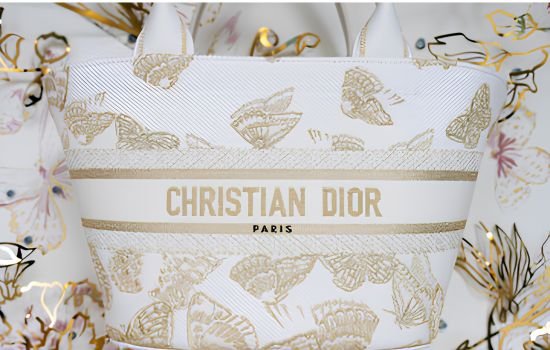
Christian Dior opened his house in 1946 and showed his first collection the following year. Fashion editors nicknamed it the New Look, and it single-handedly pulled French fashion out of the fabric-rationed years of the war. The Avenue Montaigne flagship, at number 30, occupies the same building where Dior worked from day one.
Where to find Dior: Look for it at 30 Avenue Montaigne, in the heart of the couture triangle.
3. Yves Saint Laurent (1961)
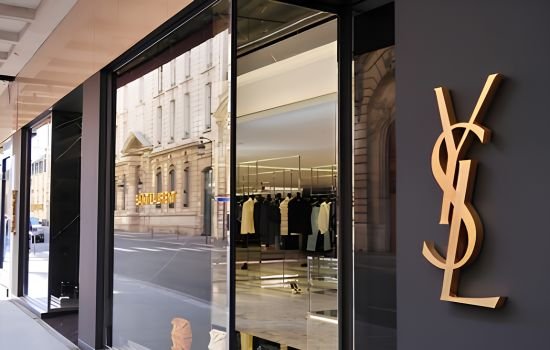
Yves Saint Laurent left Dior to start his own house in 1961 with his partner Pierre Bergé, and he is credited with putting the tuxedo on women through his Le Smoking suit. It was one of the first true luxury ready-to-wear labels, which made high fashion something you could actually buy off a rack rather than have built from scratch.
Where to find Yves Saint Laurent: You’ll spot it on Rue du Faubourg Saint-Honoré, with another boutique on Avenue Montaigne.
4. Givenchy (1952)
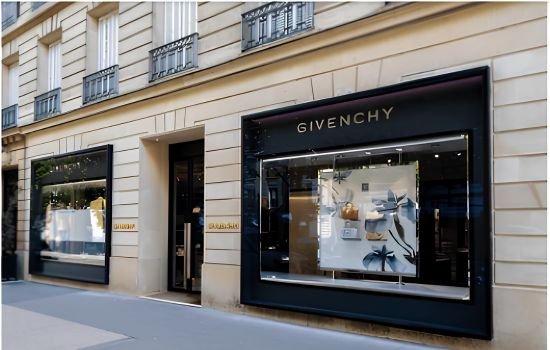
Hubert de Givenchy founded his house in 1952 and became forever linked to Audrey Hepburn, who wore his designs both on screen and in her own life. The brand still carries that quiet, structured elegance he built it on, now from its boutique near Avenue George V.
Where to find Givenchy: Head to Avenue George V, just off the Champs-Élysées, to find it.
5. Balmain (1945)
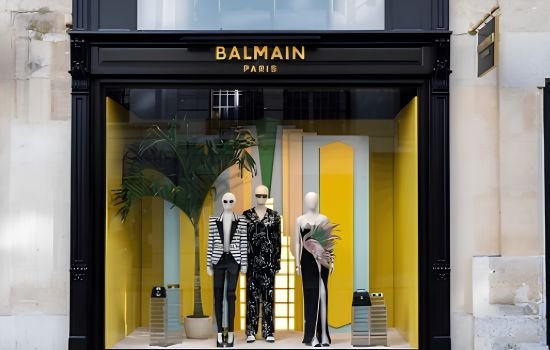
Pierre Balmain opened his house in 1945, right after the war, with a philosophy he called the New French Style: sharp tailoring, exaggerated shoulders, and an unapologetic love of glamour. The original atelier on Rue François 1er is where the house still bases its couture work.
Where to find Balmain: You can catch it on Rue François 1er, a block from Avenue Montaigne.
6. Lanvin (1889)
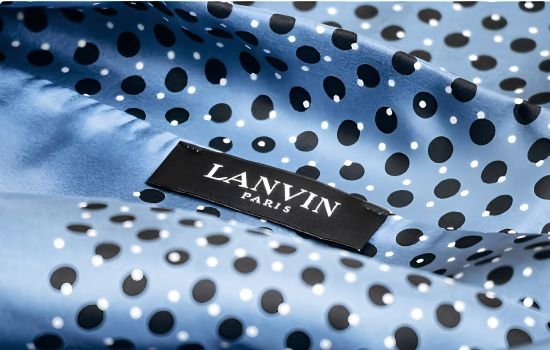
Lanvin is the oldest French fashion house still in continuous operation, founded by Jeanne Lanvin in 1889 as a millinery business before she expanded into womenswear and eventually childrenswear. The shade of blue she used constantly, now called Lanvin blue, is named after her.
Where to find Lanvin: It still sits on Rue du Faubourg Saint-Honoré, near the Élysée Palace.
7. Céline (1945)
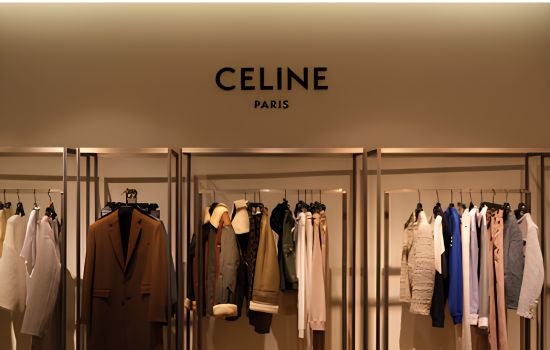
Céline started in 1945 as a children’s shoe shop opened by Céline Vipiana, and only later grew into the ready-to-wear and leather goods house it is known as now. It is a good reminder that not every one of these brands that started in Paris began with a couture ambition.
Where to find Céline: You’ll find it on Avenue Montaigne, with a second spot on Rue Saint-Honoré.
8. Chloé (1952)
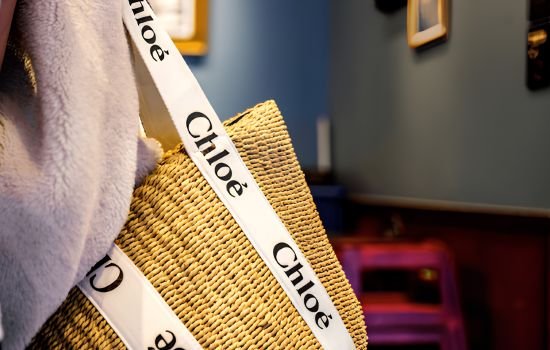
Gaby Aghion founded Chloé in 1952 with an idea that sounds obvious now but was not at the time: luxury clothing did not have to be made to measure. That concept became known as luxury prêt-à-porter, and Chloé is usually credited as one of the first houses to fully commit to it.
Where to find Chloé: Look for it on Rue du Faubourg Saint-Honoré, close to Lanvin.
9. Nina Ricci (1932)
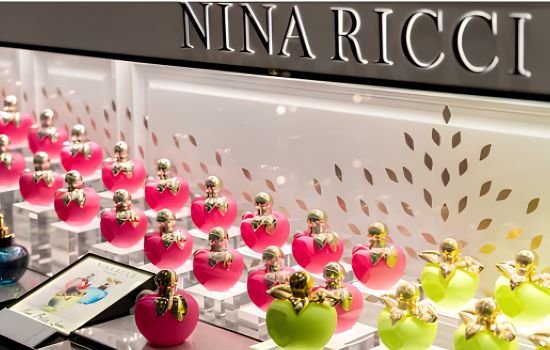
Nina Ricci was founded in 1932 by Maria “Nina” Ricci and her son Robert, and became known just as much for its perfume bottles as its clothes. The L’Air du Temps bottle, with its two frosted glass doves, is one of the most recognizable perfume designs to ever come out of a Paris fashion house.
Where to find Nina Ricci: You can find it on Avenue Montaigne, among the other couture houses.
Leather Goods and Travel Houses Born in Paris
Long before ready-to-wear existed, Paris was already building trunks, saddles, and bags for people who traveled by train and steamship. A few of the world’s biggest names in leather goods started as literal craftsmen serving Parisian aristocrats.
10. Louis Vuitton (1854)
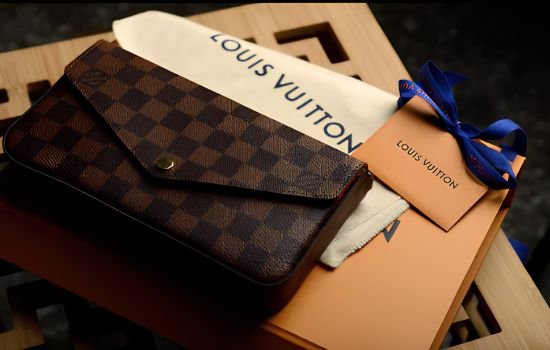
Louis Vuitton opened his workshop in 1854 designing flat-topped trunks that could actually be stacked, which sounds minor until you realize every trunk before his was rounded on top for water runoff and useless for stacking. The now famous monogram canvas came later, in 1896, as a way to stop counterfeiters.
Where to find Louis Vuitton: Its biggest flagship is at 101 Avenue des Champs-Élysées, hard to miss.
11. Hermès (1837)
Hermès began in 1837 as a harness and saddlery workshop for the French aristocracy, and that equestrian history is still stitched into everything the brand makes, right down to the saddle stitching on a Birkin bag. The Rue du Faubourg Saint-Honoré flagship, at number 24, sits in the same neighborhood the house has occupied for generations.
Where to find Hermès: You’ll find it at 24 Rue du Faubourg Saint-Honoré, where it has stood for generations.
12. Goyard (1853)
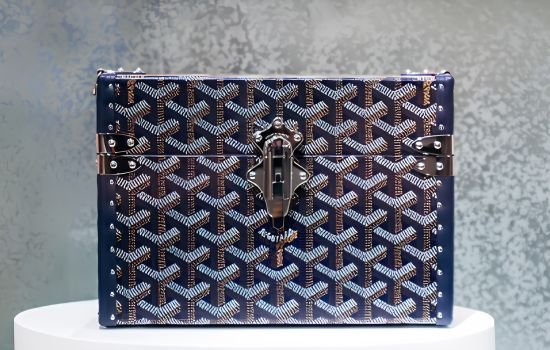
Goyard is one of the oldest luxury brands from Paris still standing, tracing back to a Parisian trunk maker’s workshop from 1792 that was renamed Goyard in 1853 under François Goyard. The brand famously refuses to advertise or sell online, which is part of why it still feels like a secret even though it is anything but.
Where to find Goyard: It keeps a quiet address on Rue Saint-Honoré, near Place Vendôme.
13. Longchamp (1948)
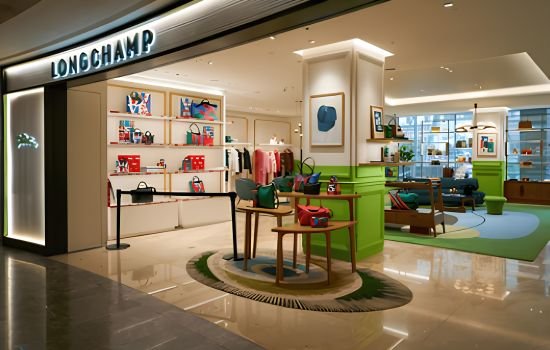
Jean Cassegrain founded Longchamp in 1948, originally making leather covered pipes and tobacco accessories before pivoting to bags. The foldable nylon Le Pliage tote, launched decades later, became the bag every visitor to Paris eventually buys, myself included.
Where to find Longchamp: You can pick one up on Rue Saint-Honoré, along with a few other spots around the city.
Paris Jewelry Houses on Place Vendôme
If leather goods have their own neighborhood, so does fine jewelry. Place Vendôme is a small octagonal square that happens to hold more carats per square foot than almost anywhere on the planet.
14. Cartier (1847)
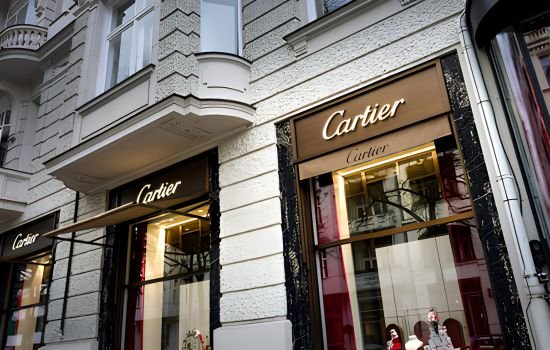
Louis-François Cartier founded his workshop in 1847 and the brand later earned the nickname jeweler of kings and king of jewelers, a line supposedly coined by Britain’s King Edward VII. Cartier’s ties to Place Vendôme and the nearby Rue de la Paix go back to the early 1900s.
Where to find Cartier: Rue de la Paix, just off Place Vendôme.
15. Van Cleef & Arpels (1906)
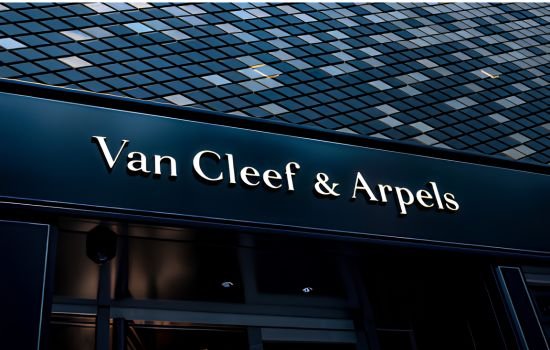
Van Cleef & Arpels opened its first boutique at 22 Place Vendôme in 1906, a union between the Van Cleef and Arpels families of jewelers and gem dealers. The house has never left that address, and its Mystery Set technique, which hides the metal prongs holding gemstones in place, is still considered one of the most difficult skills in jewelry making.
Where to find Van Cleef & Arpels: You’ll find it at 22 Place Vendôme, the same address since 1906.
16. Boucheron (1858)
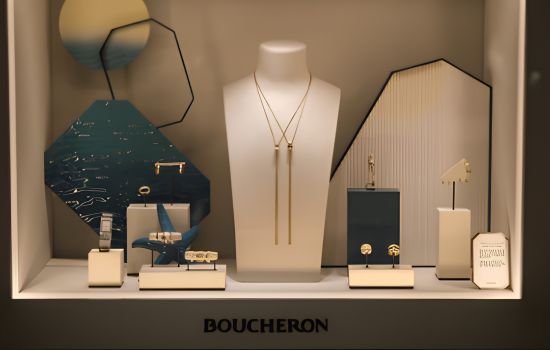
Frédéric Boucheron founded his house in 1858 and became the first jeweler to open a boutique directly on Place Vendôme, in 1893. That single move helped turn the square into the jewelry district it still is today.
Where to find Boucheron: It still sits at 26 Place Vendôme.
17. Guerlain (1828)
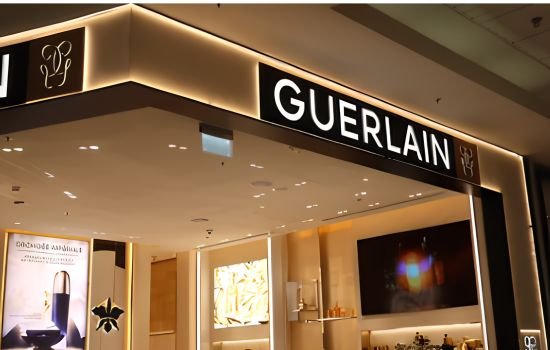
Guerlain is the oldest perfume house on this list by a wide margin, founded in 1828 by Pierre-François Pascal Guerlain. Its Shalimar fragrance is one of the best known perfumes ever created, and the flagship boutique on the Champs-Élysées, open since 1914, still has a spa and a bar tucked inside it.
Where to find Guerlain: Its historic flagship is at 68 Avenue des Champs-Élysées, spa and all.
Paris Shoe Brands Worth the Suitcase Space
18. Christian Louboutin (1991)
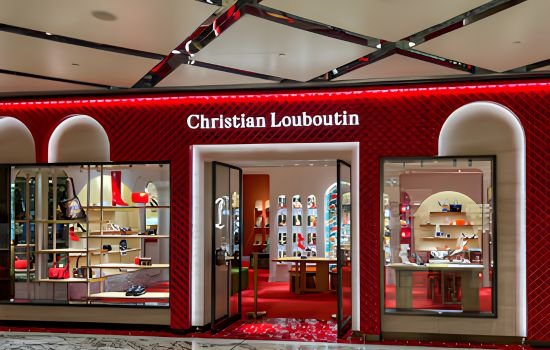
Christian Louboutin launched his own house in 1991 out of a boutique in the Galerie Véro-Dodat, a covered passage most tourists walk straight past without noticing. The red lacquered sole came a bit later, reportedly after he painted a sample with a nail polish, and it is now one of the most recognized design details in fashion.
Where to find Christian Louboutin: You can find it hiding in the Galerie Véro-Dodat, near the Louvre.
19. Repetto (1947)
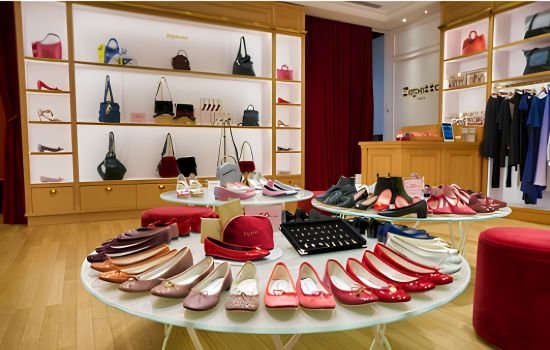
Rose Repetto started making ballet shoes in 1947 for her son, the choreographer Roland Petit, who kept complaining about sore feet after class. The brand opened its first workshop near the Palais Garnier and still sells its signature ballet flat from a boutique on Rue de la Paix.
Where to find Repetto: Look for it on Rue de la Paix, near the Opéra Garnier.
Parisian Fashion Brands From 1960s
Not every Paris fashion brand comes from the 1800s. A second generation of Paris-based luxury brands emerged from the 1960s onward, and they are just as tied to the city, even if they wear their history a little more casually.
20. Sonia Rykiel (1968)
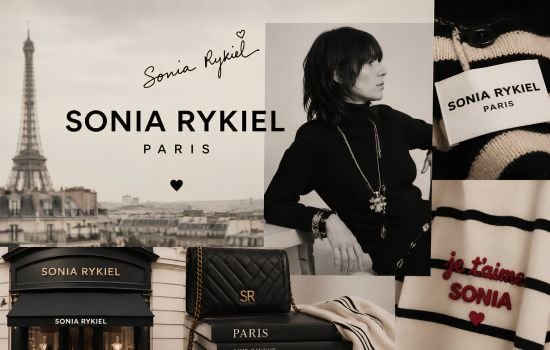
Sonia Rykiel opened her first boutique in 1968 and quickly earned the nickname Queen of Knitwear for her fitted, colorful sweaters. Her Left Bank shop on Rue de Grenelle became a gathering point for the Saint-Germain-des-Prés crowd of the era.
Where to find Sonia Rykiel: You’ll find its roots in Saint-Germain-des-Prés, on the Left Bank.
21. Kenzo (1970)
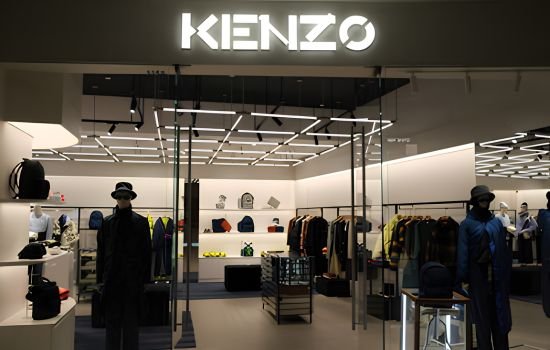
Kenzo Takada, a Japanese designer who moved to Paris to study fashion, founded Kenzo in 1970 and built a name for mixing prints and colors nobody else in French fashion was touching at the time. It remains one of the clearest examples of a global brand from Paris shaped by an outsider’s eye.
Where to find Kenzo: It has boutiques on Rue Saint-Honoré and Rue Vivienne.
22. Isabel Marant (1994)
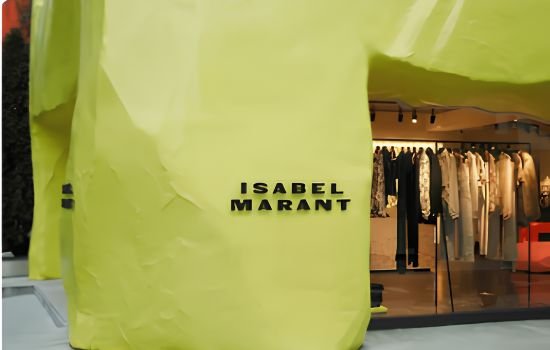
Isabel Marant launched her label in 1994 with a very specific idea of Parisian style, the kind that looks effortless but rarely is. Her boutiques near the Marais and Rue de Charonne are still a good barometer for whatever French women are quietly wearing that season.
Where to find Isabel Marant: You can catch it on Rue de Charonne, in the 11th arrondissement.
23. Sandro (1984)
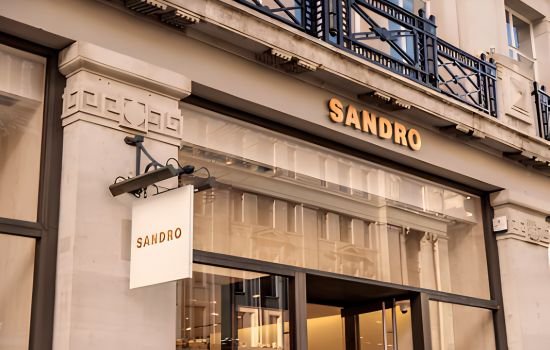
Evelyne Chetrite founded Sandro in 1984, and the brand grew alongside its sister label Maje into one of the most visible mid range luxury fashion brands in Paris today, with stores scattered across nearly every shopping street in the city.
Where to find Sandro: It’s easy to find around Le Marais, and honestly, almost everywhere else in the city.
24. Maje (1998)
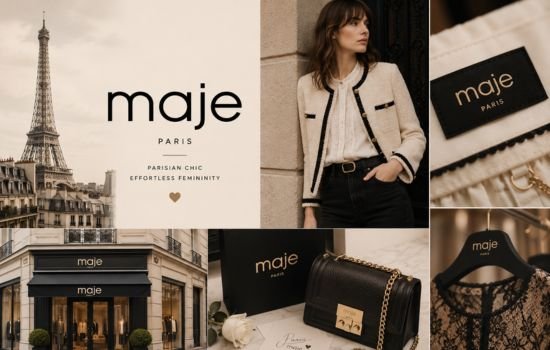
Judith Milgrom founded Maje in 1998, and it now sits under the same corporate umbrella as Sandro. Both brands are a good example of how the definition of Paris fashion houses has widened well beyond couture into accessible, wearable design.
Where to find Maje: Look for it in Le Marais, right around the corner from Sandro.
25. A.P.C. (1987)
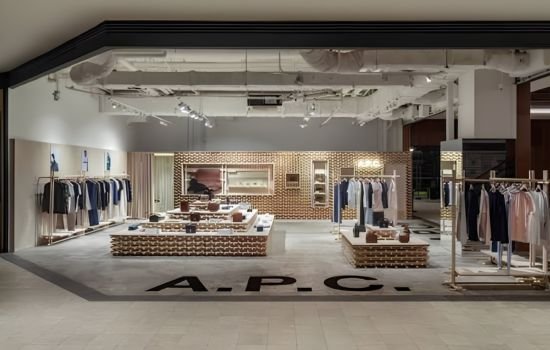
Jean Touitou founded A.P.C. in 1987, building the brand’s name from the French phrase Atelier de Production et de Création. Its raw denim and stripped-back basics turned it into a quiet favorite among people who would rather not wear a logo at all.
Where to find A.P.C.: Rue Madame in Saint-Germain-des-Prés.
Planning the Rest of Your Paris Trip
A list like this only matters if you actually have the days in Paris to use it, so a bit of trip planning goes a long way. If you are still working out dates, it helps to know how long it takes to fly to Paris from wherever you are starting, since that shapes how many boutique afternoons you can realistically fit in. Once the dates are set, a full Paris itinerary makes it much easier to slot a Place Vendôme morning or a Marais afternoon in between everything else you want to see.
None of these boutiques are anywhere near a quick bite, so I always map out what to eat in Paris around whichever neighborhood I am shopping in that day. A Le Marais afternoon also pairs well with a look at the best things to do in Paris, since a few of the newer wave labels sit just blocks from some of the best people watching in the city.
On the logistics side, I keep an eye on the best current flight deals whenever I am putting a Paris trip together, since fares shift more than people expect. Hotels get the same treatment. I check current hotel offers and browse the hotel guide before settling on a neighborhood to stay in, and I handle the actual reservations through Travel Tweaks Bookings so everything lives in one place. If any of this is new to you, Travel Tweaks has the full rundown of how I plan a Paris trip from the ground up.
Frequently Asked Questions – Parisian Iconic Luxury Brands
Chanel, Dior, Louis Vuitton, Hermès, Cartier, Yves Saint Laurent, and Guerlain are the names most people think of first. All of them were founded in Paris and still keep a flagship there today.
Coco Chanel, Christian Dior, Yves Saint Laurent, Hubert de Givenchy, Pierre Balmain, Jeanne Lanvin, and Gaby Aghion of Chloé all started their houses in the city. So did newer designers like Isabel Marant and Jean Touitou of A.P.C.
For pieces built on real craftsmanship, like Hermès leather goods or Cartier jewelry, the price usually reflects the work involved. For newer or more mass produced items, you are paying a fair amount for the name too.
Paris brands lean into a specific kind of understated elegance, built out of centuries of court dressmaking and craftsmanship. Italian luxury tends to feel bolder and more design forward by comparison.
A wealthy court and bourgeoisie gave local craftsmen a reason to get very good at tailoring, leather work, and jewelry. Over a few centuries, that concentration of skill and money turned Paris into the place where fashion trends were set rather than followed.