
I didn’t go to Paris to find myself. I went because a flight was cheap, a friend cancelled last minute, and I figured why not? Then booked a solo ticket (with travel tweaks bookings) with zero expectations, a half-charged phone, and a terrible French accent. What I found there rearranged something quietly inside me.
This isn’t a listicle written from a travel desk. Every single thing here I’ve stood in front of, eaten, wandered into, and felt. Sometimes overwhelmed, sometimes completely alone in the best possible way. If you’re wondering what to do in Paris beyond the tourist checklist, let me be your slightly chaotic, deeply in-love-with-this-city guide.
This guide presents the 10 best things to do in Paris, bringing together iconic landmarks, neighbourhood strolls, food culture, and memorable day trips. Thoughtful planning and small travel tweaks can elevate the entire experience.
The Eiffel Tower: See It from Trocadéro
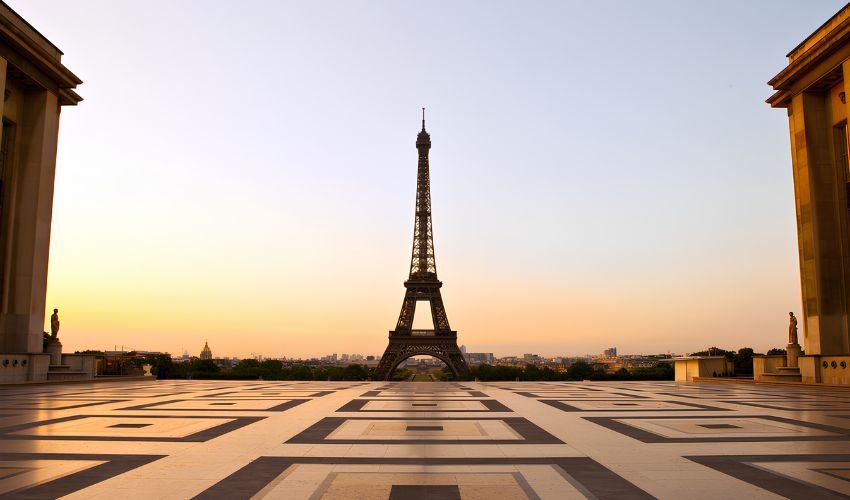
When visiting Paris, seeing the Eiffel Tower is an absolute must-do thing in Paris, the first place to visit for every traveller when travelling to Paris. But here’s what nobody tells you: skip the line, skip the ascent if you’re on a budget, and instead walk to the Trocadéro esplanade at dusk. The view from there, the whole tower framed by fountains, the sky going peach and violet, hundreds of strangers all going quiet at the same time, is one of the most genuinely moving things I’ve witnessed.
I stood there alone and felt embarrassingly grateful to be alive. Go at 9:45 PM for the light show. It sparkles for an hour, for five minutes. You will absolutely cry, or at least get a strange lump in your throat. I did, and I’m not even a crier.
Exploring such iconic sites early in your Paris Itinerary makes the rest of the day really iconic and memorable.
Must Read: Best Time to Visit Paris
Get Wonderfully Lost in Le Marais
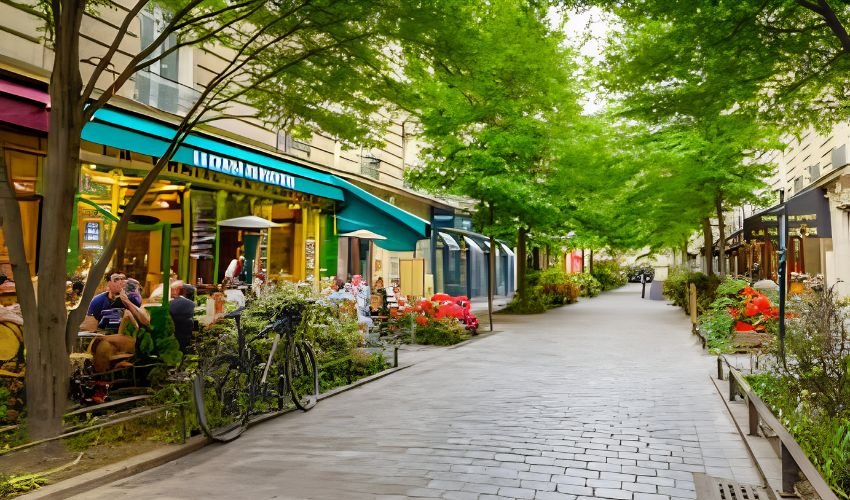
Le Marais is the neighbourhood Paris keeps for itself. Cobblestone alleys, Renaissance courtyards hidden behind unmarked doors, falafel so good it made me question all previous falafel. I spent an entire afternoon here just walking with no destination, ducking into art galleries, sitting in Place des Vosges with a book I didn’t read because the people-watching was too good.
This is where Paris stops performing and just breathes. Solo travellers, this is your area. It’s safe, walkable, and endlessly interesting. This is where you will experience one of the most beautiful things in Paris, and it should be one of the first places to visit when travelling in Paris.
The best Paris activities aren’t always the scheduled ones. Sometimes it’s just turning left when your map says right.
Promenade Plantée: Paris’s Secret Sky Garden
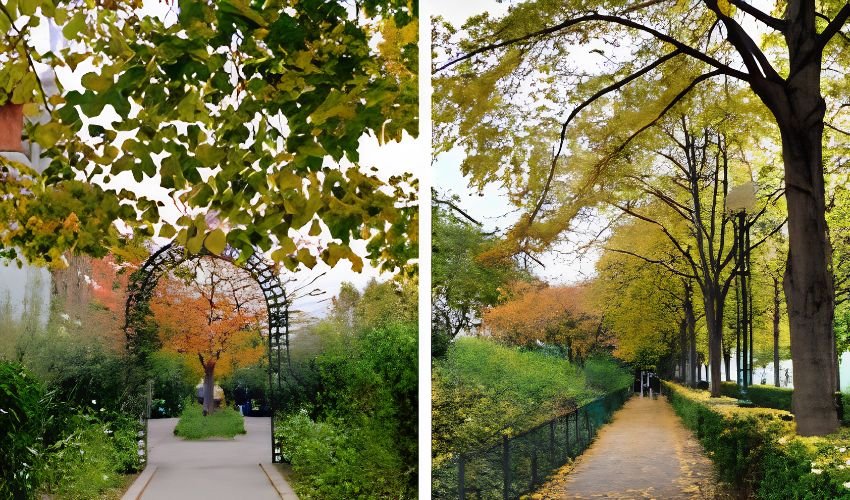
Before New York had the High Line, Paris had the Promenade Plantée, an elevated garden built on a disused railway viaduct, stretching 4.5km through the 12th arrondissement. Hardly any tourists. Locals walking dogs, runners, and old men on benches. It’s quiet in that rare city way where you feel genuinely removed from the noise below.
There’s no entrance fee, no timed ticket, no crowd management. You just climb the stairs and walk. I did the full length on my fourth morning in Paris, stopped for a coffee at a café along the Viaduc des Arts, and arrived at Bois de Vincennes feeling like I’d genuinely earned the rest of my day.
Walking this stretch is one of my top things to do in Paris if you want to feel the city rather than just see it. It won’t make anyone’s highlight reel, but it might be the part of your trip you remember most clearly. Start at Place de la Bastille and walk east for the best sections.
Paris has such remarkable green spaces throughout the city, and if you want to explore more of them, this guide to the best parks in Paris is a great companion for planning your outdoor time.
You May Like: Paris Indoors
Explore Top Museums
Paris hosts some of the world’s greatest museums, each offering a unique window into art and history. The Louvre showcases masterpieces from ancient civilisations through the Renaissance, while Musée d’Orsay highlights Impressionist and post-Impressionist works.
Smaller museums like Musée de l’Orangerie, Rodin Museum and the Picasso Museum offer intimate and focused experiences. Each museum can feel overwhelming without a plan. Selecting a theme or a single wing creates a more enjoyable visit.
On one trip, I spent an hour only in the sculpture hall at Musée d’Orsay, and it felt far more enriching than racing through the whole building. Evening hours and free entry days offer budget-friendly ways to enjoy major collections.
Musée d’Orsay Over the Louvre

I know, I know. The Louvre. But honestly, the Musée d’Orsay destroyed me emotionally in a way the Louvre never has. Housed in a stunning converted railway station, it holds the world’s greatest collection of Impressionist art. Standing in front of Monet’s actual brushstrokes, Van Gogh’s swirling skies, it’s overwhelming in the best sense.
Skip the massive Louvre queue. This is a more intimate, more human museum. Book tickets online the night before and set aside a full morning. If you’re on a budget, Travel Tweaks Offers can help you save money on museum passes and bundled entries.
Free entry: First Sunday of every month. Get there when it opens.
Visit Sainte-Chapelle, Not Just Notre-Dame
While Notre-Dame (beautifully restored and reopened) rightly draws the crowds, Sainte-Chapelle on the Île de la Cité is one of the most breathtaking things I have ever stood inside. Fifteen soaring Gothic windows with 1,113 stained glass panels turn the entire chapel into something between a jewel box and a cathedral of light. On a sunny morning, the interior glows.
It’s smaller than you expect and more overwhelming than you can imagine. Tickets are inexpensive and the queue is nothing compared to Notre-Dame.
Wander Père-Lachaise at Your Own Pace
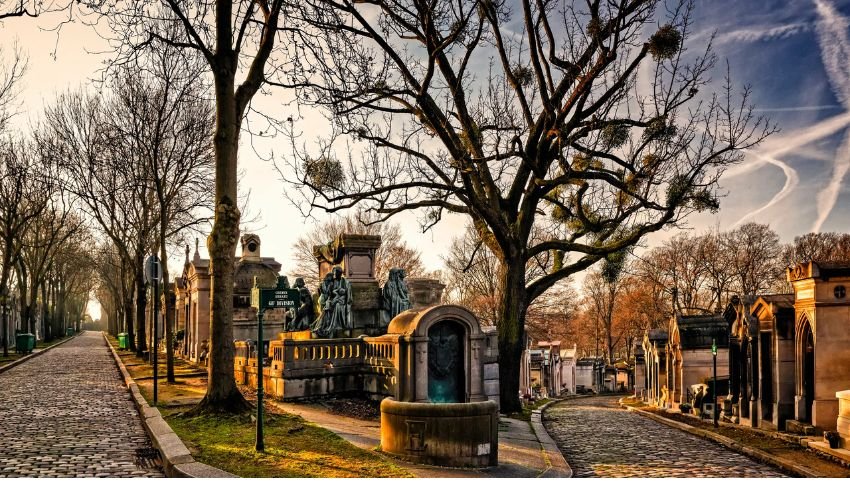
Paris’s famous cemetery is neither morbid nor melancholy. It’s one of the most unexpectedly peaceful and beautiful places in the city. Cobblestone lanes, ancient trees, the graves of Édith Piaf, Jim Morrison, Oscar Wilde (covered in lipstick kisses from a century of devotees). The whole place sprawls across 44 hectares of hilly ground, and the sheer scale of it surprises most first-time visitors.
What gets me is the silence. Not the silence of somewhere empty, but the silence of somewhere deeply full. Cats sleep on warm stone ledges. Leaves come down slowly. You turn a corner and stumble onto a grave covered in handwritten notes and cigarettes left by strangers who still feel something for someone they never met.
Arrive without a map, get gently lost among the mausoleums, and feel history as a physical, walkable thing. If you do want to find specific graves, the staff at the entrance hand out free maps marking the most visited. But honestly, the best moments here come from the detours you didn’t plan. I stayed for three hours and didn’t want to leave.
Also Read: Does It Snow in Paris?
Visit the Seine at Midnight
After dinner, after wine, walk along the Seine. This is perhaps my single most recommended Paris activity for solo travellers. There’s something about the city at that hour, the bridges lit amber, the water reflecting everything, strangers kissing, musicians playing to no one in particular.
You don’t need a companion for this. You need good shoes and the willingness to walk further than you planned. Start at Pont Neuf and just follow the river. You’ll know when to stop.
Shakespeare and Company at Odd Hours
Every traveller visits Shakespeare and Company, the legendary English-language bookshop on the Seine’s Left Bank. But most go at noon when it’s sardine-packed. I went at 10 am on a weekday and had the whole creaking, book-stuffed place nearly to myself.
Read a page of something you’d never normally pick up. Sit in one of the little reading nooks. Feel very literary and slightly smug. The views of Notre-Dame through the window are worth the trip on their own.
Explore Canal Saint Martin
Canal Saint Martin has a youthful and artistic atmosphere that attracts locals and travelers alike. Its bridges, locks and tree-lined pathways make it perfect for relaxed strolls, photography or waterfront picnics. Small shops, bakeries and wine bars add to the neighborhood’s appeal.
One evening, I sat along the canal with a simple picnic and felt how warm and welcoming the community can be. It is a great place to observe modern Parisian life and enjoy a slower pace.
Stroll Through Montmartre
Montmartre has a village-like atmosphere that feels distinctly different from central Paris. Start with Sacré Coeur Basilica, where panoramic views stretch across the city. Early mornings feel peaceful and allow you to enjoy the steps before the crowds arrive.
The winding streets hold small ateliers, galleries, and cafés that reflect the neighborhood’s artistic past. I once spoke with a local artist who explained how the changing light influences the area throughout the year. Venturing into quieter streets around Rue Saint Vincent or the Montmartre vineyard reveals gentle, charming corners away from busy tourist paths.
Things to do in Paris you Didn’t know you Needed
A Proper Market Morning
Marché d’Aligre on a Saturday morning is the kind of scene that makes you want to move to Paris permanently. Blocks of cheese, mountains of olives, fishmongers, flower stalls, old women who’ve been coming every week for forty years. Buy what looks beautiful. Take it back and eat it for lunch with bread and wine, like a person who has their life completely together.
The Marché Bastille on Sunday is equally wonderful and slightly more photogenic.
Go early: Before 10 am for the best selection and fewest crowds.
Take the 69 Bus Instead of the Metro
The 69 bus cuts through some of Paris’s most beautiful streets, from the Eiffel Tower all the way to Père-Lachaise cemetery. It costs the same as the Metro but gives you a moving window seat through the city. I took it on my first morning to orient myself and ended up staying on three full loops.
The best Paris sightseeing I did cost 1.90 euros and involved no planning whatsoever. Sit upstairs at the front if you can.
Morning Coffee at a Zinc Bar
Not a café with Instagram lighting and oat milk. A proper zinc bar, the kind where the barman calls everyone “monsieur” and the espresso costs 1.50 euros standing at the counter. This is how Parisians actually start their days.
Find one near your arrondissement, lean on the bar, and watch the city wake up around you. It’s the most ordinary, most cinematic thing you can do in Paris. I went back to the same one every single morning just to feel like I lived there.
Look for: Brass rails, handwritten menus, zero décor. That’s the one.
Buy Pastries the French Way
Not from tourist boulangeries near the Louvre. Walk five minutes off the main drag, find a queue of actual Parisians, and join it. Point to something you don’t recognize. Say “s’il vous plaît” and “merci” and that’s genuinely all the French you need.
Some of my favorite food moments were unplanned, like finding a bakery in the Latin Quarter that served the best apple tart I have tasted. These small surprises show how food shapes everyday life in Paris and help you understand What to Eat in Paris beyond typical tourist lists.
The croissant at a neighbourhood bakery versus the one at a tourist trap is a completely different food. Dense, shattering, buttery in a way that seems barely legal. Every morning in Paris should start with one.
Eat Dinner Alone at a Proper Bistrot
I was nervous about this. Don’t be. In Paris, dining alone is practically elevated to an art form. Ask for a table near the window, bring a notebook or a book, and order the prix-fixe. Nobody will rush you. Nobody will pity you. The waiters will treat you with the same exquisite indifference they treat everyone, which is somehow deeply comforting.
Try Bistrot Paul Bert in the 11th if you want somewhere that feels like exactly the place you wanted to end up.
Things You Need to Know Before Visiting Paris
Paris rewards the prepared traveler and gently humbles the overconfident one. Before you go, here are a few things worth knowing.
1. Get Your Bearings Early
The city is divided into 20 arrondissements that spiral outward from the center, and understanding the layout early makes everything easier. A good starting point is picking up a map guide before you arrive so you’re not squinting at your phone on every corner.
2. Getting Around
Metro tickets are cheap and the system is excellent, but walking between stops is often faster and always more rewarding. The city is surprisingly compact once you stop treating the Metro as the default for everything.
3. Museum Days and Opening Hours
Most museums are closed on Mondays or Tuesdays, so check ahead before making the trip. Nothing is more defeating than walking 25 minutes to a closed door.
4. Tipping and Basic Etiquette
Tipping is not expected the way it is in the US, but rounding up or leaving a euro or two at a sit-down restaurant is appreciated. French people also genuinely warm up when you attempt even a word or two of the language, so learn “bonjour,” “merci,” and “s’il vous plaît” and use them every single time, without exception.
5. Budget and Flight Planning
Paris is one of the more expensive European capitals, so it’s worth browsing travel deals like Ttweakflight Offers early and being flexible with your travel dates if you can. Small adjustments to your dates can make a surprisingly large difference to what you pay.
6. Choosing Where to Stay
The arrondissement you stay in shapes your entire experience, so spend time comparing hotel options and reading about neighborhoods before you book rather than defaulting to whatever is closest to the Eiffel Tower. The 1st and 2nd are central but pricey and a little sterile at night. The 11th, 10th, and the Marais give you more local texture for your money.
7. Best Time to Visit Paris
The best time to visit Paris is in August where it feels like a different city, quieter, hotter, with many local shops and restaurants closed for summer holidays. Late September through November and March through May are when the city is most itself. Go then if you can, and plan your bookings well in advance for those peak shoulder seasons.
Final Words
It doesn’t give itself to you all at once. You have to earn it slowly, by walking until your feet protest, by sitting in cafés long after your coffee’s gone cold, by saying yes to the street that looks more interesting than the direct route.
Solo travel here isn’t lonely. Paris is one of the best cities in the world to be alone in, because it is so relentlessly, abundantly alive around you. You will feel it in your chest. You will come home changed in small, indelible ways. And you will already be planning your return before your flight has landed.
À bientôt, Paris. Always.
Frequently Asked Questions – Things to Do in Paris
Late spring and early autumn are the best times to visit Paris. The weather is pleasant, and the crowds are usually smaller.
The top 5 are the Eiffel Tower, the Louvre, Notre-Dame, the Arc de Triomphe, and the Seine River.
Paris is great for families to enjoy with kids, especially Luxembourg Gardens, boat rides, playgrounds, and a relaxed Seine cruise.
Canal Saint-Martin, Place des Vosges, and quiet courtyards like Pavillon de la Reine are lovely hidden spots.
You can enjoy the Eiffel Tower area, Champs-Élysées, Sacré-Cœur, Père Lachaise Cemetery, and several parks for free.