
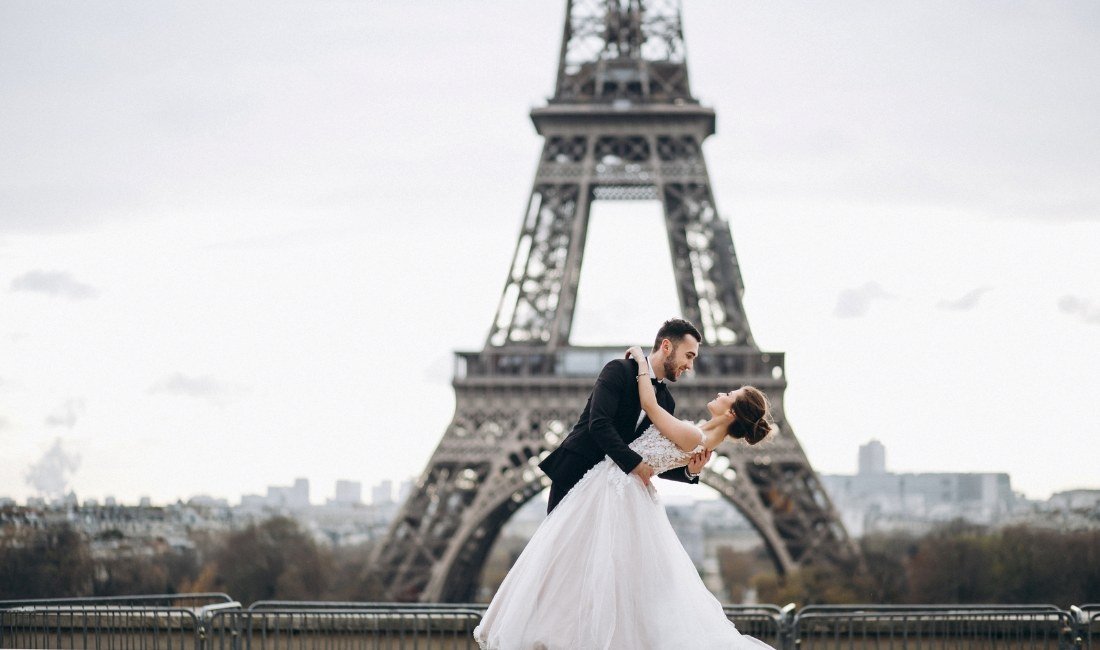
Paris, the capital of France, is widely known as the City of Love. The nickname developed through art, literature, cinema, architecture, tourism, and the shared experiences people associate with the city.
No official ceremony gave Paris this title. Reliable historical sources do not identify one person or exact date that created it. The reputation grew gradually as writers, artists, photographers, filmmakers, and real visitors connected Paris with romance.
Paris is also called the City of Light, but that nickname has a different meaning. It relates to the city’s intellectual history and its association with urban illumination rather than romantic travel.
Readers who want to understand the city beyond its nicknames can also read these fun facts about Paris.
Paris is called the City of Love because generations of art, stories, films, travel experiences, and romantic traditions turned it into the world’s best-known city for love. The title is cultural rather than official.
What Is the City of Love?
Paris is the city most widely associated with the title City of Love.
Other destinations such as Venice and Rome are also promoted as romantic places. However, Paris has the strongest global connection with this particular nickname.
Its reputation does not depend on one attraction. The romantic identity comes from how several experiences work together. A couple can walk beside the Seine, stop at a café, visit an art museum, and end the day beneath the Eiffel Tower.
Culture created the image
Novels, paintings, photographs, music, and films repeatedly connected Paris with emotion and relationships.
The city supports the image
Riverbanks, gardens, cafés, older streets, and landmarks give visitors space to share time.
Tourism keeps it alive
Honeymoons, anniversaries, proposals, and couples’ trips continue to reinforce the reputation.
Travelers repeat the story
Shared photographs and personal memories give future visitors another reason to expect romantic Paris.
Popular culture has strengthened that connection. Films, books, photographs, advertisements, and travel stories repeatedly present Paris as a place for relationships, proposals, honeymoons, and personal reinvention.
As a result, someone asking “What is the City of Love?” will usually receive the same answer: Paris, France.
Is Paris Really the City of Love?
Yes, Paris is widely known as the City of Love. The phrase appears throughout travel media, tourism material, popular culture, and international reporting.
This identity is not based on an official classification. It exists because people have accepted and repeated it over time.
A couple may choose Paris because they already believe the city is romantic. Their anniversary photographs, proposal stories, or honeymoon memories then reinforce that reputation for future travelers.
Social media continues the same process. One carefully framed photograph beside the Eiffel Tower can reach thousands of people who have never visited France. Those viewers begin to associate the landmark with romance before experiencing it themselves.
Is “City of Love” an Official Paris Nickname?
The City of Love is not an official administrative title.
No documented law, naming ceremony, or civic declaration formally gave Paris this nickname. Strong historical evidence also does not identify one person who invented it.
The phrase is better understood as a cultural identity. It became established through public imagination, artistic representation, tourism, and personal experience.
Official Paris tourism material continues to present the city through romantic walks, gardens, river experiences, restaurants, and historic neighborhoods. This supports the modern use of the nickname without proving that it began through one official event.
How Did Paris Become Known as the City of Love?
Paris developed its romantic reputation across several periods.
Art gave the city emotional depth. Literature placed complicated relationships inside its streets and homes. Photography carried recognizable Paris scenes beyond France. Cinema later turned the city into a global setting for love stories.
International tourism transformed that cultural image into a real travel experience.
| Historical influence | How it shaped Paris’s romantic identity |
|---|---|
| Artistic communities | Connected Paris with emotion, creativity, individuality, and personal freedom. |
| Literature | Used the city for stories about love, loss, ambition, and reinvention. |
| Photography | Shared recognizable views of bridges, cafés, streets, and the Seine. |
| Cinema | Turned Paris landmarks into settings for meetings, proposals, and reunions. |
| International tourism | Promoted the city for honeymoons, anniversaries, and couples’ trips. |
| Social media | Spread proposal photographs and romantic locations worldwide. |
Romantic Paris Grew Around Real Artistic Communities
One important part of this history developed in the Nouvelle Athènes, or New Athens, district below Montmartre.
During the 19th century, the neighborhood became a major center of artistic and literary life. Private homes, salons, gardens, and artists’ studios provided places where painters, writers, musicians, and thinkers could meet.
The Musée de la Vie Romantique’s official history records that painter Ary Scheffer settled on Rue Chaptal in 1830. His neighbors included major artists such as Eugène Delacroix and Théodore Géricault. George Sand moved into the district in 1839, and Frédéric Chopin lived nearby during part of their relationship.
Scheffer also held regular gatherings that brought together artists and intellectuals. Guests included Chopin, Franz Liszt, Charles Dickens, Rossini, and other cultural figures.
This history matters because Paris’s romantic image did not grow only from attractive streets. It also developed through communities where people exchanged ideas, built relationships, created art, and challenged established expectations.
The City Changes as You Do
Some of my earliest memories of Paris involve being taken through museum hallways by my parents before I fully understood why the art mattered.
After more than a dozen trips, those same museums feel different to me. Places that once seemed slow or overwhelming now give me reasons to stop and look more carefully.
You can return to the same painting, street, or neighborhood at another stage of life and notice something you missed before. Paris does not need to change completely because your relationship with it changes.
Literature Gave Paris Emotional Depth
Parisian literature did more than describe buildings. It placed people inside the city and explored what they wanted, feared, lost, and hoped to become.
Stories set in Paris often connected relationships with personal change. A character could arrive seeking freedom, status, artistic success, or a different identity. Love might appear as comfort, temptation, conflict, or disappointment.
These stories made Paris feel emotionally active. The city became a place where relationships could alter the direction of a person’s life.
That literary reputation later supported tourism. Visitors were not only coming to see monuments. They were entering a setting they already knew through novels, plays, paintings, and cultural memory.
Cinema Turned Paris Into a Love-Story Setting
Cinema made romantic Paris easier to export.
A filmmaker could show the Eiffel Tower and establish the location within seconds. A scene beside the Seine created intimacy without needing a long explanation. Montmartre, café terraces, and historic bridges became familiar settings for meetings and reunions.
Over time, audiences watched characters fall in love, separate, and begin again in Paris. The city stopped feeling like a passive background and became part of the emotional story.
Modern television, films, advertisements, and travel videos continue using the same visual language. A bridge suggests a shared walk. A small café table creates closeness. The Eiffel Tower signals that the moment is meant to feel important.
Photography Made Romantic Paris Easy to Recognize
Paris contains visual symbols that remain recognizable even without captions.
The Eiffel Tower, iron balconies, stone bridges, café tables, and the Seine immediately suggest the French capital. Photographers used these elements in magazines, advertisements, postcards, wedding inspiration, and tourism campaigns.
These images often show an ideal version of the city. Streets appear empty. Sunsets arrive at the right moment. Couples seem to have famous viewpoints to themselves.
Real travel is less controlled. Even so, photographs shape expectations before visitors arrive.
A couple may travel to Paris hoping to recreate one specific scene. When they share their version online, they reinforce the same romantic image that inspired the trip.
Tourism Turned the Reputation Into a Travel Experience
Tourism did not invent Paris’s romantic identity. It organized experiences around a reputation that already existed.
Hotels began offering anniversary packages. Restaurants promoted intimate dinners. Boat operators built evening Seine cruises around city views. Photographers started arranging proposal sessions near famous landmarks.
Paris remains known as the City of Love because the reputation is renewed by the people who arrive believing in it.
Why Is Paris Called the City of Love?
Paris is called the City of Love because the physical city supports the romantic image created by art and popular culture.
The Seine encourages slow walks. Small cafés give people time to talk. Gardens offer breathing space away from crowded streets. Food turns daily decisions into shared experiences.
These moments do not always require an expensive hotel or formal dinner. A simple walk can feel personal. Buying pastries together can become part of a morning routine. Sitting in a public garden can be more meaningful than rushing through another attraction.
The Seine
A natural route links historic areas while giving travelers time to stop, walk, and talk.
Café culture
Small tables and unhurried breaks turn ordinary conversation into part of the trip.
Public gardens
Green spaces offer calm, seating, and room to pause inside a crowded capital.
Shared food
Bakeries, markets, cafés, and picnics turn simple choices into shared memories.
Recognizable landmarks
The Eiffel Tower and Paris bridges carry emotional meaning before many travelers arrive.
Historic streets
Stone façades, balconies, passages, and neighborhood cafés shape the atmosphere.
The Seine Creates Space for Slow Walks
The Seine gives central Paris a natural route through some of the city’s most historic areas.
Couples can walk beside the river without following a strict attraction schedule. Bridges change the view as the route continues. Île de la Cité feels connected with old Paris, while Île Saint-Louis often feels calmer.
A river walk also removes the pressure to keep achieving something. Visitors can stop near the water, watch the boats, or change direction without feeling that the day has gone wrong.
The best things to do in Paris guide can help visitors connect major sights without wasting time repeatedly crossing the city.
Paris Works Better Without a Checklist
After more than a dozen visits, I have learned that Paris rarely feels at its best when every hour is booked.
I divide my days by neighborhood so I am not constantly moving across the city. My plan usually includes one or two important places, somewhere good to eat, and enough open time to wander.
A bridge you did not plan to cross or a café you entered because it started raining can become more memorable than the landmark you booked months earlier.
That slower approach shapes my four-day Paris itinerary, which groups nearby places instead of treating the city like a checklist.
Paris Cafés Give People Time Together
A Paris café can feel romantic because it creates time rather than spectacle.
Small tables encourage conversation. Outdoor seating makes the street part of the experience. A couple can order a drink, rest after walking, and watch the neighborhood continue around them.
The moment does not need to be expensive or carefully staged. A quiet coffee after rain can feel more personal than a formal dinner near a crowded landmark.
Café culture supports the romantic reputation because it gives people permission to pause. The value comes from the time shared at the table rather than the price of what was ordered.
Gardens Offer Quiet Space Inside the City
Paris can feel crowded around its most famous attractions. Public gardens offer a different pace.
Luxembourg Gardens has fountains, paths, open views, and places to sit. The Tuileries can provide a useful pause between central landmarks. Smaller neighborhood gardens help visitors step away from tour groups.
These spaces support the City of Love image because couples do not need constant entertainment. They need room to talk without checking a schedule every few minutes.
Travelers can use the guide to the best parks and gardens in Paris to choose green spaces that fit naturally into their day.
Food Turns Simple Moments Into Shared Experiences
Parisian food supports the romantic reputation because meals often become part of the experience instead of a quick break.
A couple may choose pastries together, buy a baguette from a neighborhood bakery, or take cheese and fruit to a garden. The meal becomes memorable because it is connected with the place and the person sharing it.
Fine dining can create a special evening, but luxury is not required. A simple picnic may feel more relaxed than a formal restaurant with a strict reservation.
The Simplest Meals Stay With Me
Some of my strongest Paris food memories did not begin with a reservation.
Buying a baguette from a boulangerie, choosing cheese from a nearby shop, and finding a place to sit has often felt more rewarding than planning an elaborate meal.
I still remember the smell of a crêpe cart near the Seine. A proper Parisian croissant also changed my idea of what the pastry should taste like. The crisp outer layers, warm center, and smell of butter made the versions I had eaten elsewhere feel like a different food.
The guide to what to eat in Paris covers dishes and bakery stops that can become part of those moments.
The Eiffel Tower Became a Romantic Symbol Later
The Eiffel Tower was not designed as a monument to romantic love.
According to the official Eiffel Tower history, it was created for the 1889 Exposition Universelle, which marked 100 years since the French Revolution. Construction began in January 1887 and finished on March 31, 1889.
The full project took two years, two months, and five days. Its original purpose had little to do with proposals, honeymoons, or romantic travel.
Films used the tower as an instant sign of Paris. Advertisements placed couples beneath it. Tourism photography turned nearby viewpoints into proposal settings. Evening lighting gave visits a stronger sense of occasion.
The Eiffel Tower began as an engineering project, but generations of stories and personal experiences gave it a second identity.
Historic Architecture Shapes the Atmosphere
Paris architecture creates a sense of continuity between past and present.
Stone façades, iron balconies, old churches, covered passages, and broad boulevards shape how different neighborhoods feel.
Montmartre has slopes and village-like corners. Saint-Germain carries strong literary associations. Le Marais combines historic streets with modern galleries and shops.
Architecture cannot create romance by itself. It shapes the setting where shared experiences take place.
A conversation after dinner can feel different on a quiet old street than it does inside a crowded station. The difference comes from pace, surroundings, and attention.
A Modern Monument Made Love Visible in 250 Languages
The romantic image of Paris is not limited to old buildings and 19th-century history.
The I Love You Wall in Montmartre turned the idea into a modern public artwork. Frédéric Baron and Claire Kito created the work from enamelled-lava tiles.
According to the official Paris tourism page for the I Love You Wall, the phrase “I love you” appears 311 times in 250 languages across 612 tiles.
Red shapes across the wall represent pieces of a broken heart. The complete work suggests bringing divided people back together.
This makes the wall more than a photograph for couples. It connects the City of Love nickname with a wider idea of unity across languages and cultures.
Is Paris the City of Love or the City of Light?
Paris is known as both the City of Love and the City of Light. The two nicknames describe different parts of its identity.
| Nickname | Meaning | Best context |
|---|---|---|
| City of Love | A cultural identity connected with romance, art, cinema, proposals, and shared travel experiences. | Couples’ travel, romantic history, and popular culture. |
| City of Light | A historical identity connected with intellectual influence and urban illumination. | Paris history, Enlightenment ideas, culture, and city lighting. |
The City of Love describes how people experience and imagine Paris emotionally.
The City of Light relates more strongly to history. Paris became an important center of Enlightenment thought. Its later association with public lighting strengthened the literal meaning of the nickname.
Is Paris Actually Romantic in Real Life?
Paris can be romantic, but the experience is not automatic.
The city also has crowded metro trains, long queues, traffic, rain, high prices, and busy tourist areas.
Those realities do not destroy the romantic image. They show why planning and pace matter.
| Romantic expectation | Real travel situation | Better approach |
|---|---|---|
| Empty Eiffel Tower viewpoint | Crowds and photography sessions | Visit early or choose a quieter viewpoint. |
| Peaceful café terrace | Limited seating during busy periods | Stop in a residential neighborhood. |
| Perfect Seine sunset | Wind, clouds, or rain | Keep evening plans flexible. |
| Affordable central dinner | Higher prices near major attractions | Choose a neighborhood restaurant. |
| Quiet Montmartre walk | Crowds around Sacré-Cœur | Explore earlier in the morning. |
| Easy movement across Paris | Transfers and long walking distances | Group activities by neighborhood. |
Romance often comes from pace rather than perfection.
A couple who plans one important activity and leaves space for walking can enjoy Paris more than travelers who schedule every hour.
Rain may interrupt a picnic, but it can lead to a memorable café stop or one of the city’s best indoor Paris experiences.
The season also changes the mood of the city. The guide to the best time to visit Paris can help balance weather, daylight, crowds, and the type of trip you want.
Choosing where to stay in Paris also matters because location affects travel time, evening atmosphere, and access to the places a couple wants to experience.
Romantic Places That Support the City of Love Nickname
Several locations help explain why Paris is considered the City of Love.
Seine riverbanks
Why it works: Open views and flexible walking routes.
Travel note: Visit during comfortable weather and leave time to stop.
Île Saint-Louis
Why it works: Smaller streets and a calmer island setting.
Travel note: Combine it with Île de la Cité and Notre-Dame.
Montmartre
Why it works: Art history, viewpoints, stairways, and village-like corners.
Travel note: Visit early for quieter streets.
Luxembourg Gardens
Why it works: Fountains, seating, paths, and open space.
Travel note: Use it as a real break rather than another attraction to complete.
Square du Vert-Galant
Why it works: A small riverside green space.
Travel note: Stop during a longer Île de la Cité walk.
Pont Alexandre III
Why it works: Decorative architecture and wide river views.
Travel note: Visit near sunset, but expect photographers.
Eiffel Tower viewpoints
Why it works: A clear visual connection with romantic Paris.
Travel note: Choose the timing carefully and expect proposal sessions.
I Love You Wall
Why it works: A public artwork devoted directly to love.
Travel note: Include it during a wider Montmartre walk.
Is Paris Only a City for Couples?
No. Paris is associated with romantic love, but the city does not belong only to couples.
Friends can share a late meal after walking all day. Parents may watch their children sail toy boats in a garden. Solo travelers can form a strong attachment to a museum, neighborhood, bakery, or morning routine.
- Romantic connection between partners
- Friendship strengthened through travel
- Time shared with family
- Love of food, art, design, or history
- Personal freedom during solo travel
- Emotional attachment to a place
Travelers visiting as a group can use these things to do with friends in Paris at night to experience the city beyond couples’ activities.
Families can create a slower route with the guide to things to do in Paris with kids.
A solo visitor can still understand why Paris is called the City of Love. The feeling may come from a painting, a quiet street, a meal, or the simple pleasure of having nowhere urgent to be.
How Do You Say “Paris, the City of Love” in French?
The phrase refers to the city’s romantic reputation. It is not an official administrative title.
Plan the Kind of Paris Trip You Actually Want
The City of Love idea works best when the trip matches the people taking it. These approaches help turn the nickname into a practical plan without forcing every day to look like a film scene.
For a balanced first visit
Group nearby landmarks and protect enough open time for walking, cafés, and unplanned stops.
For quieter shared moments
Build parks, neighborhood meals, and flexible river walks into the schedule.
For difficult weather
Keep an indoor alternative ready instead of treating rain as a ruined day.
For families or friends
Choose activities that fit your group rather than copying a couples-only itinerary.
FAQs About Paris and the City of Love
Questions About the City of Love Nickname
Why is Paris called the City of Love?
Paris is called the City of Love because art, literature, cinema, tourism, architecture, and shared travel experiences gradually created a global romantic identity around the city.
Is Paris, France, the City of Love?
Yes. Paris is the French city most widely known as the City of Love. France is the country where Paris is located.
Why is Paris known as the City of Love?
Paris is known as the City of Love because its landmarks, river walks, cafés, gardens, food culture, and representation in popular media support a strong romantic image.
Who named Paris the City of Love?
No reliable historical source identifies one person who named Paris the City of Love. The nickname developed gradually through culture, media, tourism, and public use.
When did Paris become the City of Love?
There is no confirmed starting date. Paris gained its romantic reputation over time as art, literature, photography, cinema, and international tourism spread the image.
What city is known as the City of Love?
Paris is the city most strongly associated with the City of Love nickname. Other destinations are also considered romantic, but Paris has the clearest global connection with the phrase.
Questions About Paris and Its Romantic Identity
Is France the City of Love?
France is a country rather than a city. Paris, the capital of France, is commonly called the City of Love.
Is Paris a city or a country?
Paris is a city and the capital of France. France is the country where Paris is located.
Is Paris the City of Love or the City of Light?
Paris is known by both names. City of Love refers to its romantic identity. City of Light refers to its intellectual history and association with illumination.
Is Paris really romantic?
Paris can feel romantic when visitors slow down and choose meaningful shared experiences. Crowds and high prices are real, but quiet streets, parks, cafés, and river walks can still create memorable moments.
What makes Paris romantic?
Walkable riverbanks, historic streets, gardens, cafés, food, artistic heritage, and famous landmarks all support Paris’s romantic atmosphere.
Is Paris only for couples?
No. Friends, families, and solo travelers can enjoy Paris through its history, food, museums, architecture, parks, and neighborhoods.
Final Thoughts
Paris, the capital of France, is called the City of Love because generations of art, stories, films, travelers, and shared experiences made the nickname believable.
No official event created the title. Literature gave Paris emotional depth. Cinema spread its landmarks around the world. Tourism turned the romantic image into real travel experiences.
The city does not always look like a film. It can be crowded, rainy, expensive, and tiring. Yet romance rarely depends on a perfect view.
It often appears in smaller moments: a quiet café after rain, a walk beside the Seine, a shared pastry, or a conversation that lasts longer than planned.
Paris provides the setting, but people create the meaning.